As part of the Guided Project, which was officially launched at a signing ceremony, TÜBİTAK MAM aims to implement a sustainable model by producing high-purity domestic protein isolate from agricultural byproducts.
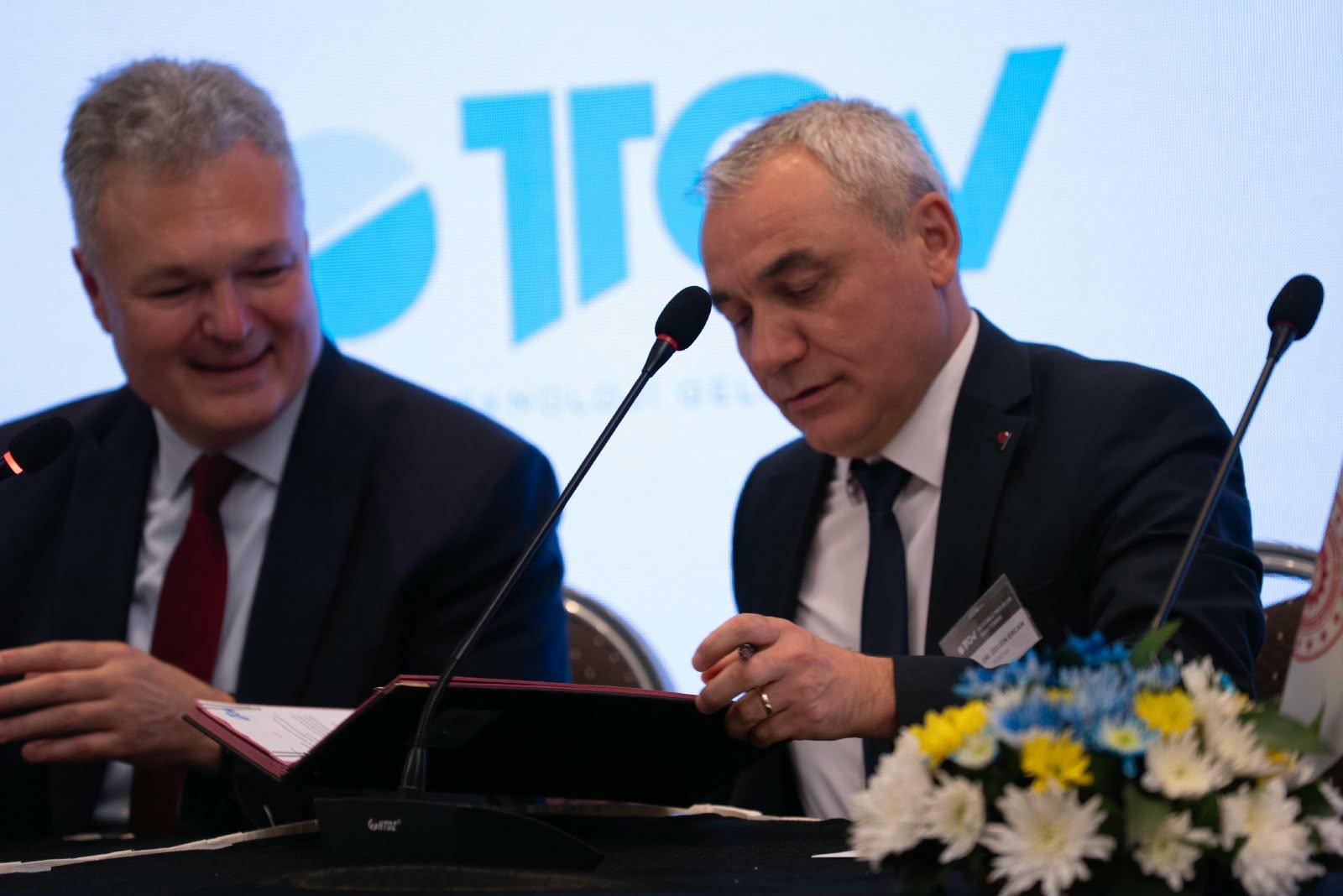
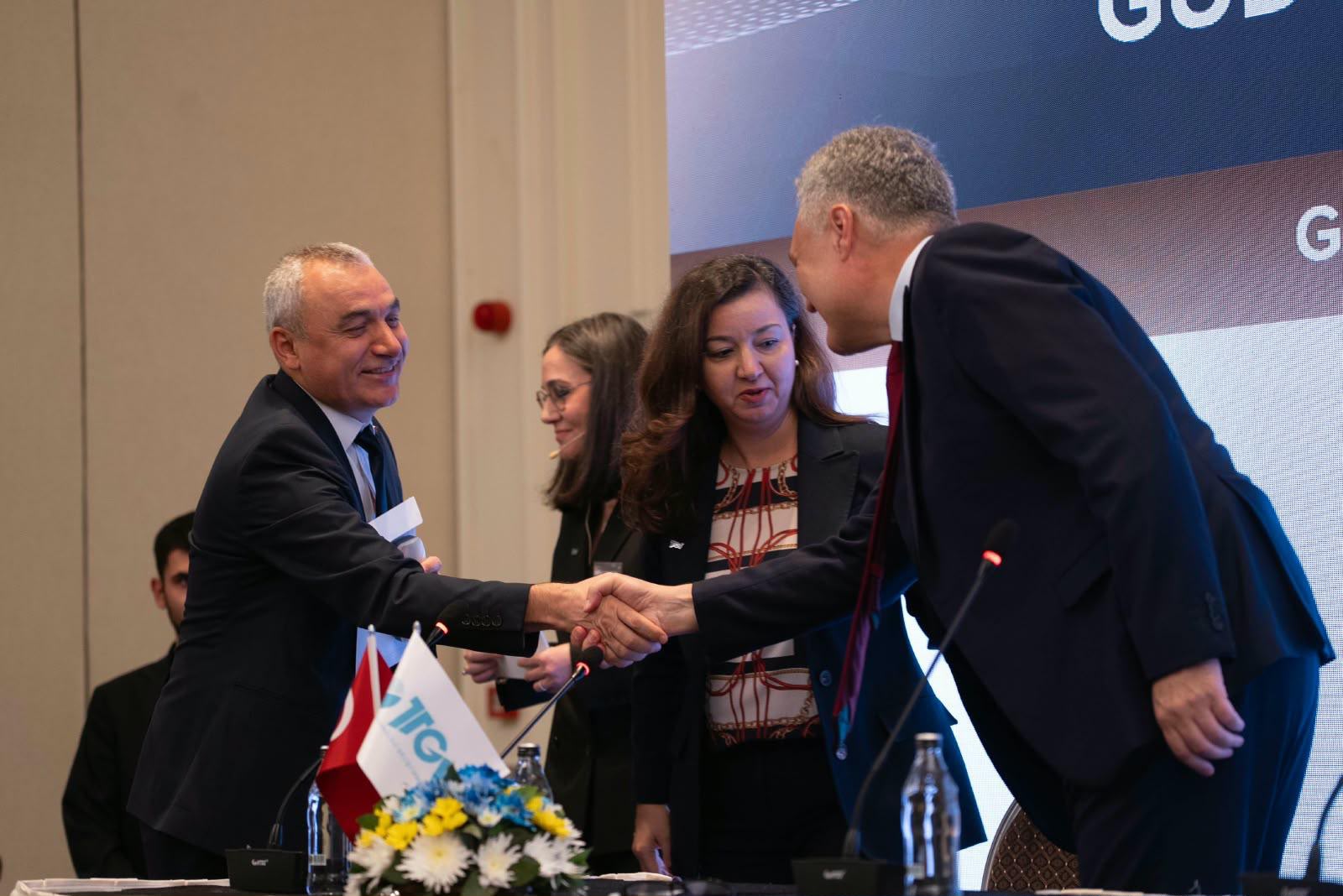
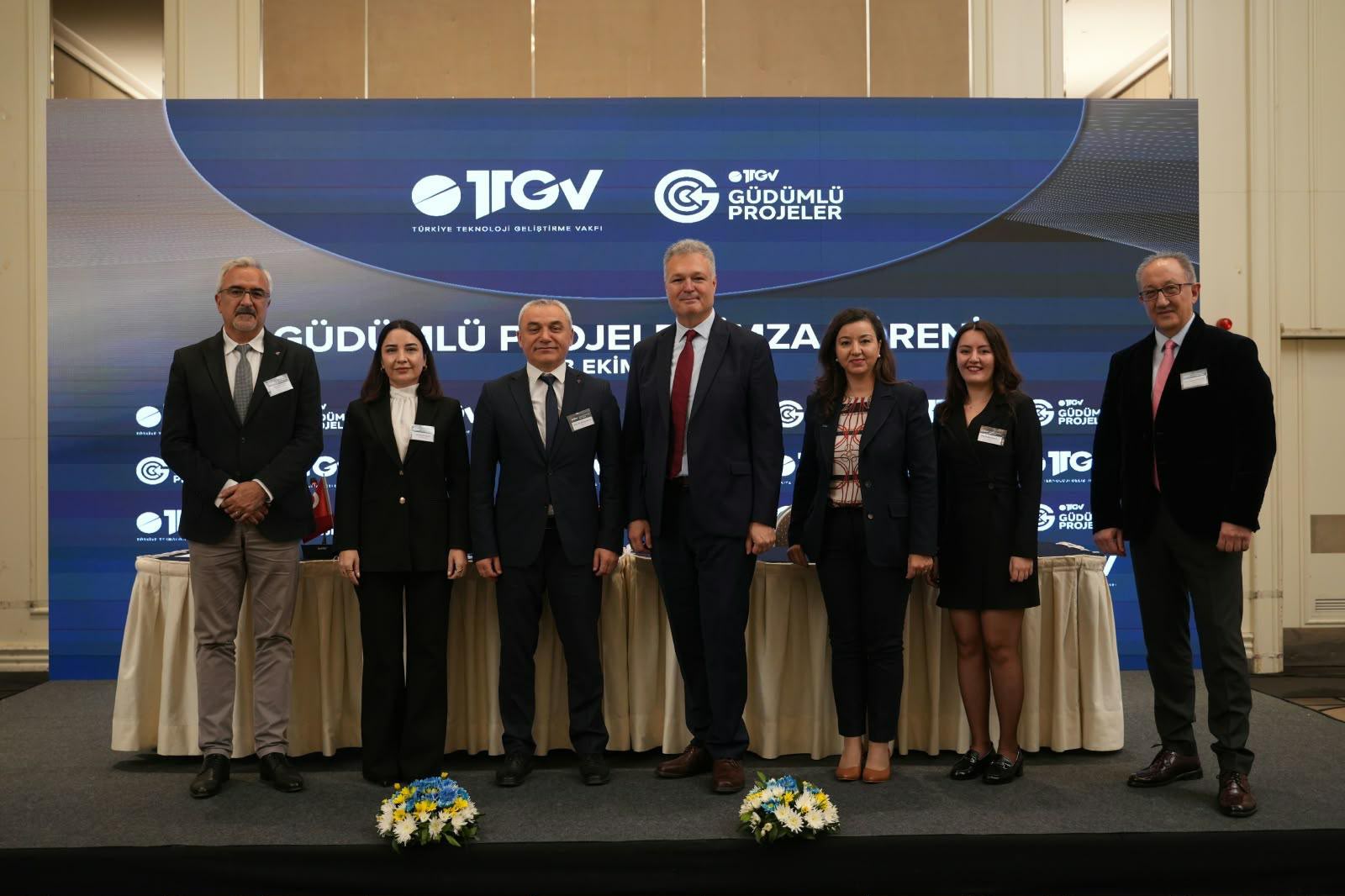
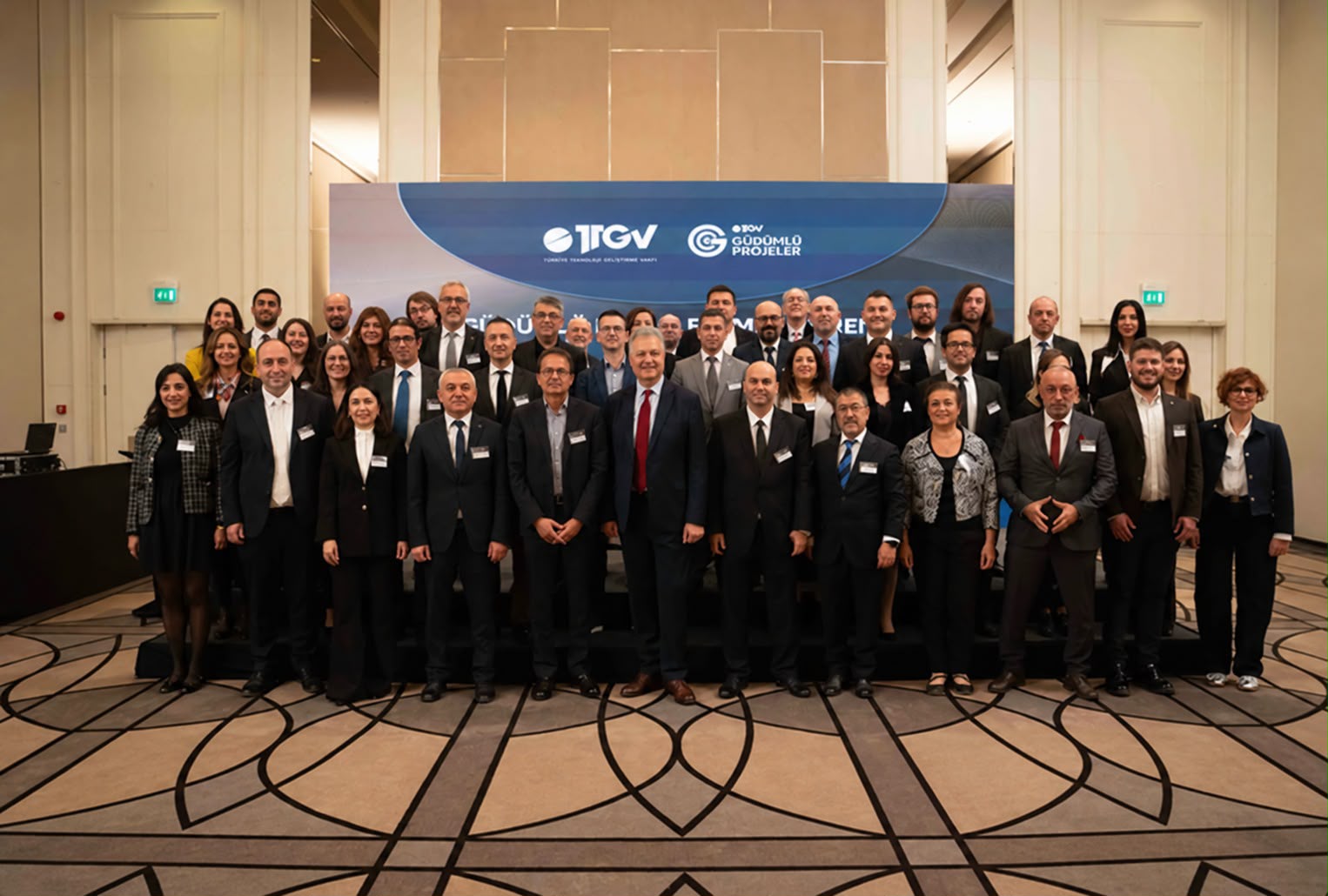
At the signing ceremony for the Guided Projects initiative launched by the Turkish Technology Development Foundation (TTGV), the official documents for the project titled “Production of Protein Isolates from Food Industry Waste,” prepared by the TÜBİTAK Marmara Research Center (MAM) Food Technologies Research Group. The ceremony was attended by Assoc. Prof. Dr. Özgen Ercan, Vice President of Climate and Life Sciences at TÜBİTAK MAM; Assoc. Prof. Dr. İbrahim Sani Özdemir, Head of the Food Technologies Research Group; and an authorized delegation.
As part of this initiative, signing ceremonies were held for four additional Guided Projects alongside the TÜBİTAK MAM project. The project, planned to last 18 months, aims to utilize byproducts from the food industry in line with the principles of the circular economy. As part of the project, high-purity protein isolates will be obtained from agricultural waste such as chickpea screenings and hemp seed meal. The goal is to scale up the developed production process from the laboratory scale (TRL 4) to the pilot scale (TRL 7) and validate it on an industrial scale.
Çalışma, TÜBİTAK MAM bünyesindeki Gıda Teknolojileri Araştırma Grubu, Biyoteknoloji Araştırma Grubu ile Kaynak Verimliliği ve Temiz Enerji Araştırma Grubu’nun disiplinler arası ortaklığıyla yürütülecek. Projenin tamamlanmasıyla birlikte en az %85 protein içeriğine sahip, sindirilebilirliği yüksek protein izolatları üretilecek, prototip gıda uygulamaları geliştirilecek ve hayvansal protein üretimine kıyasla karbon ayak izi, su ile enerji tüketimini azaltan sürdürülebilir bir model ortaya konulması amaçlandı.
This collaboration, which facilitates the reintegration of waste into the economy, aims to demonstrate the nutritional, functional, and techno-economic performance of protein isolates produced through sustainable manufacturing processes that conserve environmental resources.