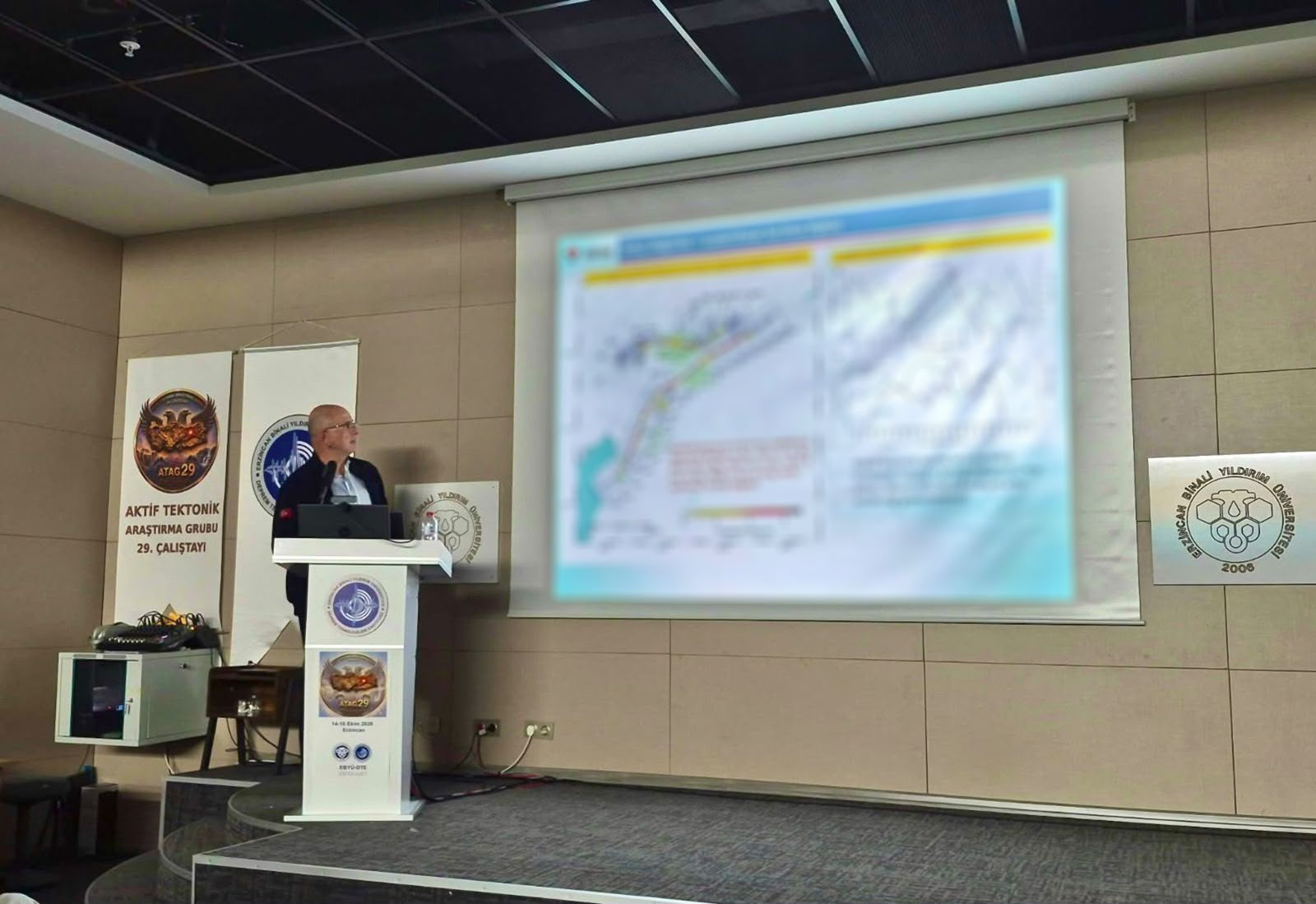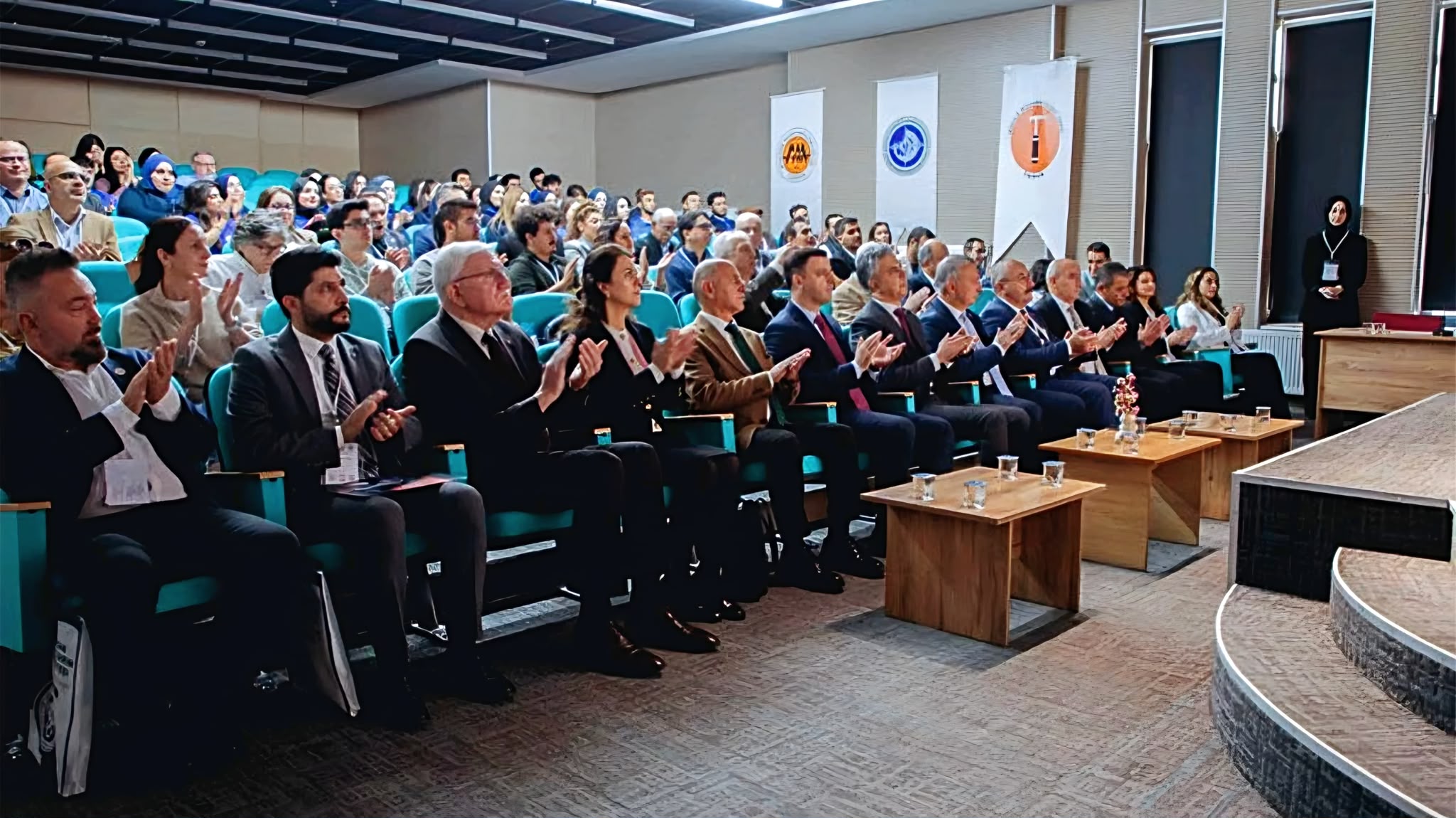
TÜBİTAK MAM shared field and analytical findings obtained following the Kahramanmaraş earthquakes at the ATAG29 Workshop, where it participated to present its current research in the fields of earthquake research and earth sciences.
The 29th ATAG Workshop, organized annually by the Active Tectonics Research Group (ATAG), was hosted by the Institute of Earthquake Technologies at Erzincan Binali Yıldırım University (EBYÜ-DTE). Founded in 1997, ATAG, ATAG—which conducts research on earthquakes and active tectonics in Turkey using an interdisciplinary approach—once again brought together national and international scientists from 16 different institutions in one of the most active segments of the North Anatolian Fault Zone, in line with its vision of supporting the development of young researchers.
Research on the Kahramanmaraş Earthquakes and Fault Damage Zones by TÜBİTAK MAM
TÜBİTAK MAM played an active role in the workshop through the fieldwork and analytical studies it conducted following the Kahramanmaraş earthquakes. As part of the event, a scientific study titled “Differences in the Behavior of Aftershocks Following the 2023 Kahramanmaraş Earthquake Pair” was presented, sharing the characteristics and regional impacts of the aftershocks. In addition, contributions were made to the research titled “Imaging the Fault Damage Zone of the Pazarcık Segment Using Geophysical Methods,” and support was provided for the organization’s scientific committee processes.
Active tectonics, paleoseismology, seismotectonics, geodesy, earthquake engineering, and all subdisciplines of earth sciences, and on the final day of the workshop, a technical field trip was organized to the Yedisu Segment of the North Anatolian Fault, where detailed on-site investigations were conducted.
National and International Scientific Collaborations Were Evaluated
In addition to TÜBİTAK MAM, researchers from Turkey’s long-established academic institutions—including Istanbul Technical University, the Kandilli Earthquake Research Institute at Boğaziçi University, Hacettepe University, and Dokuz Eylül University—participated in the workshop. At the international level, representatives from Germany’s leading geosciences center, the GFZ Helmholtz Centre for Geosciences, and France’s Laboratoire Géoazur at the Université Côte d’Azur participated, strengthening international scientific collaboration at the workshop. The event concluded as a productive platform where innovative approaches in the field of earth sciences were shared, opportunities for inter-institutional collaboration were evaluated, and forward-looking strategies for earthquake research were discussed.