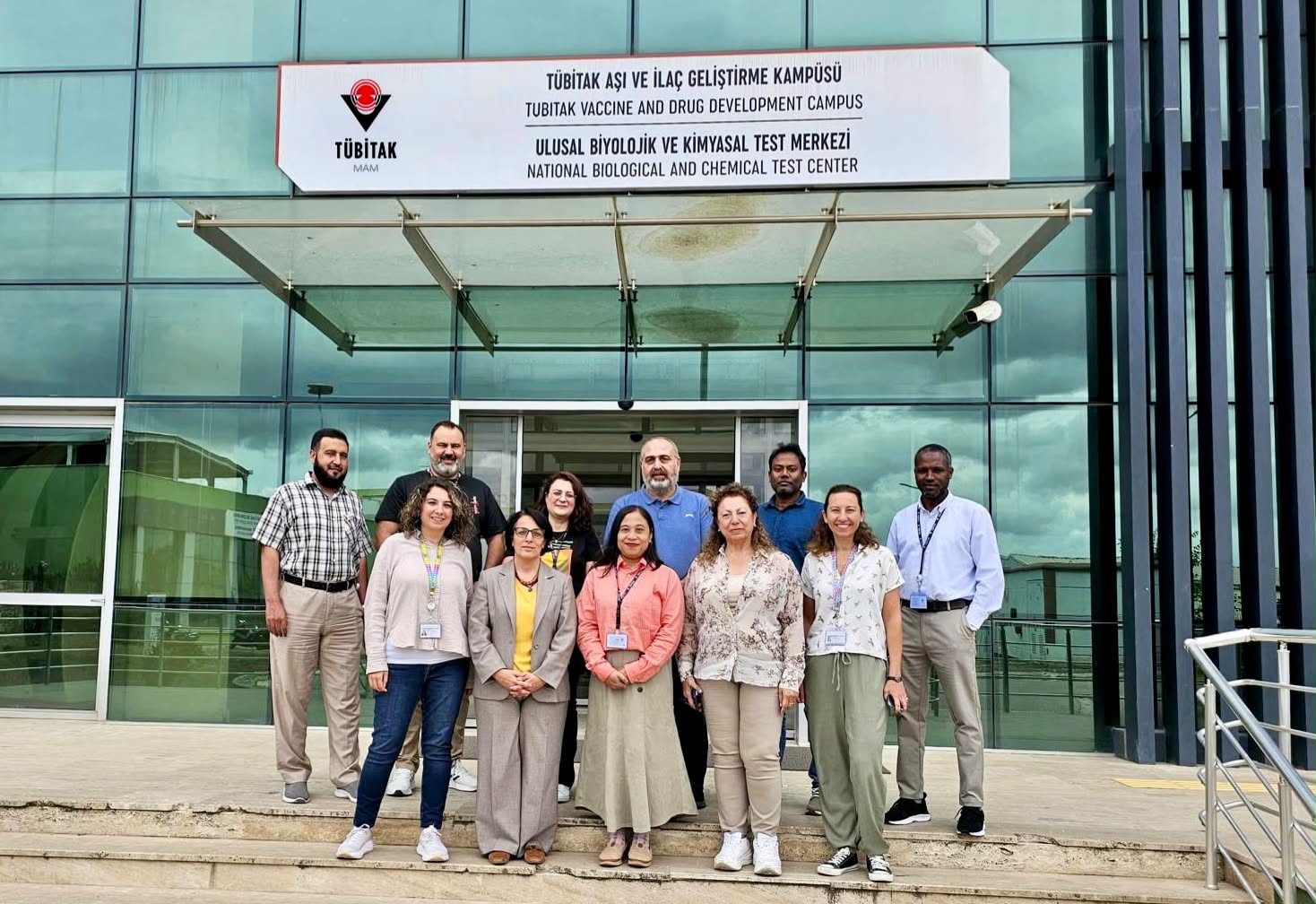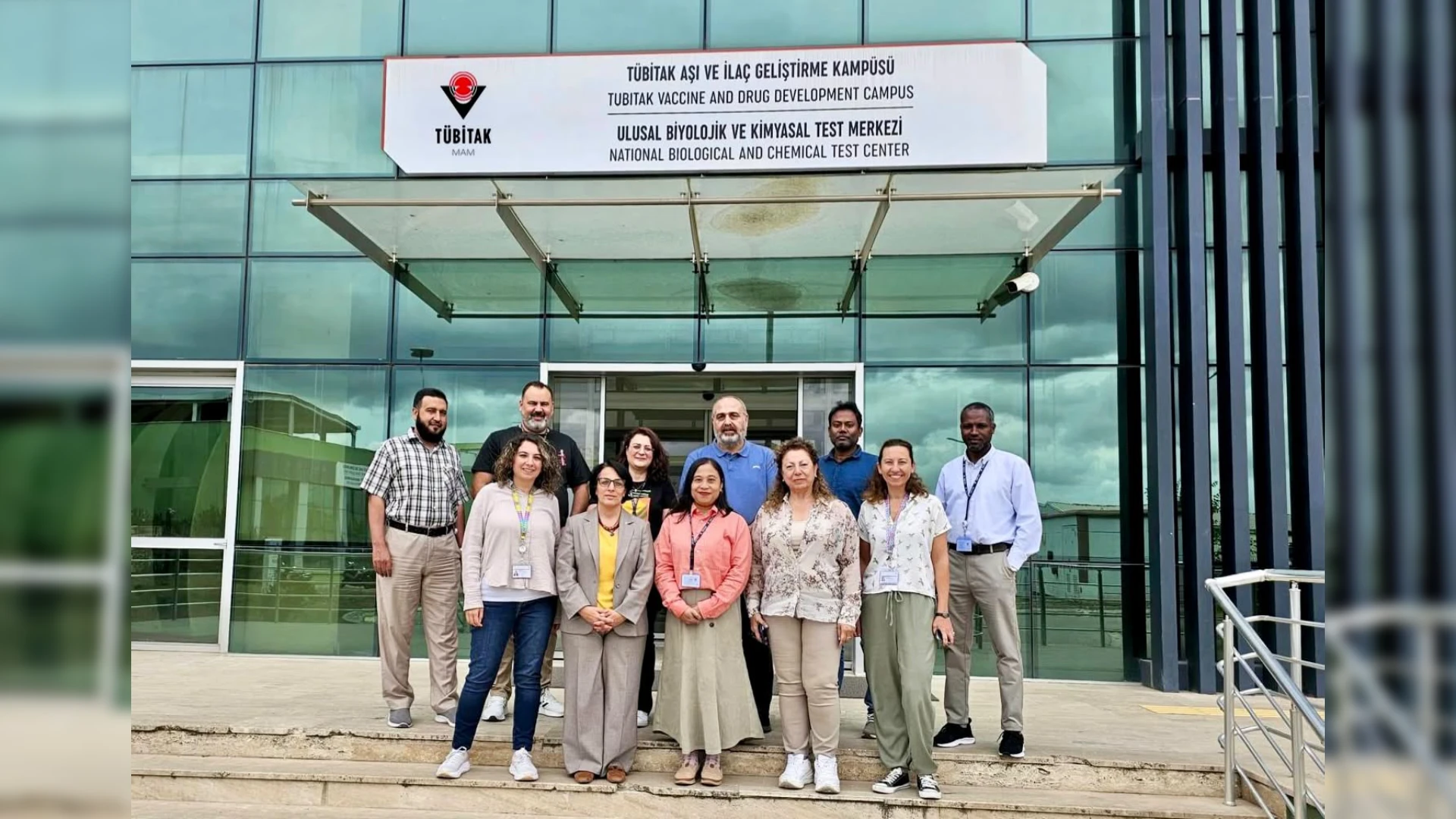
International postdoctoral researchers are coming together at TÜBİTAK MAM’s state-of-the-art research facilities through the NanoBio4Can Program to develop innovative biotechnological models for fighting cancer.
The NanoBio4Can program, supported under the COFUND call for proposals within the Marie Skłodowska-Curie Actions of the European Union’s Horizon Europe Program (Nanobiotechnologies for Innovative Therapeutic Approaches to Cancer) brings together international researchers with Turkey’s advanced research infrastructure.
The program, coordinated by Sabancı University’s Nanotechnology Research and Application Center (SUNUM), was hosted by SUNUM, the TÜBİTAK Marmara Research Center (MAM), the İzmir Biotechnology and Genomics Center (İBG), and the Koç University Center for Translational Medicine Research (KUTTAM). Through two calls for proposals issued as part of the program, 24 early-career researchers were offered the opportunity to conduct advanced research for two years at host research institutions in Turkey.
Interdisciplinary Cancer Research
As part of the NanoBio4Can Program—which aims to integrate six postdoctoral researchers into the TÜBİTAK MAM framework—researchers are provided with scientific guidance, advanced research infrastructure, and an interdisciplinary working environment. Within the center, cutting-edge cancer research is being conducted in the fields of cancer biology, nanobiotechnology, immunotherapy (treatment targeting the immune system), genome editing, artificial intelligence, microphysiological models (artificial tissue systems on a chip that mimic human physiology), and advanced imaging. This structure enables researchers to combine expertise and infrastructure from different disciplines to conduct studies with high translational research potential—research that can lay the foundation for clinical applications.
Six Key Studies Conducted at the TÜBİTAK MAM Laboratories
International researchers working at TÜBİTAK MAM are conducting six core research projects that address various biological and technological aspects of cancer.
As part of this research, first, the complex microenvironment of colorectal (large intestine) cancer is recreated on three-dimensional microphysiological chip models; the data obtained are processed using artificial intelligence methods to predict treatment responses and resistance patterns in advance. The long-term goal of this study is to reduce the need for animal testing.
In another study examining the Antigen Processing Mechanism (APM), which plays a role in cancer cells evading the immune system, methods for analyzing the genetic and protein structure of tumor cells are being combined with CRISPR/Cas9 technology, which enables gene editing at the molecular level. This approach is enabling the development of proof-of-concept prototypes designed to enhance the immune response, particularly in lung cancer.
Researchers are also designing lipid-based, multifunctional nanocarrier systems that mimic the lung’s natural secretions—which enable breathing and maintain tissue integrity—for cases where lung cancer coexists with pulmonary fibrosis (stiffening of lung tissue). These structures make it possible to combine an anticancer drug with a substance that prevents lung stiffening within a single carrier.
The distribution of key molecules (the B7 family) that regulate communication between the tumor and the body’s immune system in lung cancer is also among the areas of focus. Through studies that use advanced digital tissue analysis and specialized light-based imaging methods to create maps, researchers are investigating new therapeutic targets and biological markers that indicate the course of the disease.
In another study on bone cancer, researchers are investigating both the effectiveness of specialized nanoparticles (cerium oxide) in combating bone cancer and their role in the healing of damaged bone tissue. The nanomaterials developed as part of the study are being tested in models that mimic living tissue processes, and bone formation, tumor development, and responses to treatment are being evaluated using tissue analysis methods. In this way, the potential of a single material to both halt cancer cells and repair bone tissue is being examined holistically.
Finally, the goal is to transform “cold” lung tumors—which immune cells cannot penetrate and therefore do not respond to treatment—into “hot” tumors recognized by the immune system by regulating the cell’s self-cleansing mechanism. In the chip-based models developed, methods aimed at overcoming resistance encountered in immunotherapy are being tested using new drug candidates and nanoscale therapeutic molecules.
Targeting Treatment Resistance, Tumor Heterogeneity, and Biological Challenges in Cancer
Cancer is defined as a complex group of diseases in which genetic changes in cancer cells alone are not the sole factor; rather, the immune system, vascular structures, connective tissue cells, the supportive tissue that fills the spaces between cells, the tumor microenvironment, and mechanisms of resistance to treatment all play a role. Although significant advances have been made in cancer treatment, important challenges persist, such as the variability of tumors among patients and within the same tumor tissue (tumor heterogeneity), treatment resistance, the insufficient delivery of drugs to the targeted area, mechanisms by which tumors evade the immune system, and the inability of classical laboratory models to fully reflect human disease.
The NanoBio4Can Program aims to contribute to the development of new research models, drug delivery systems, immunotherapy approaches, genome editing methods, and advanced testing platforms by combining nanobiotechnology with cancer biology to address these challenges.
The program’s broader objective is to enhance postdoctoral researchers’ scientific competencies, career prospects, and leadership potential by offering an interdisciplinary and cross-sectoral approach to nanobiotechnology and cancer research.