Within the scope of the project carried out by TÜBİTAK Marmara Research Center (MAM) Food Institute, additives used in processed food products, which are often difficult to analyze, will be detected more easily and quickly.
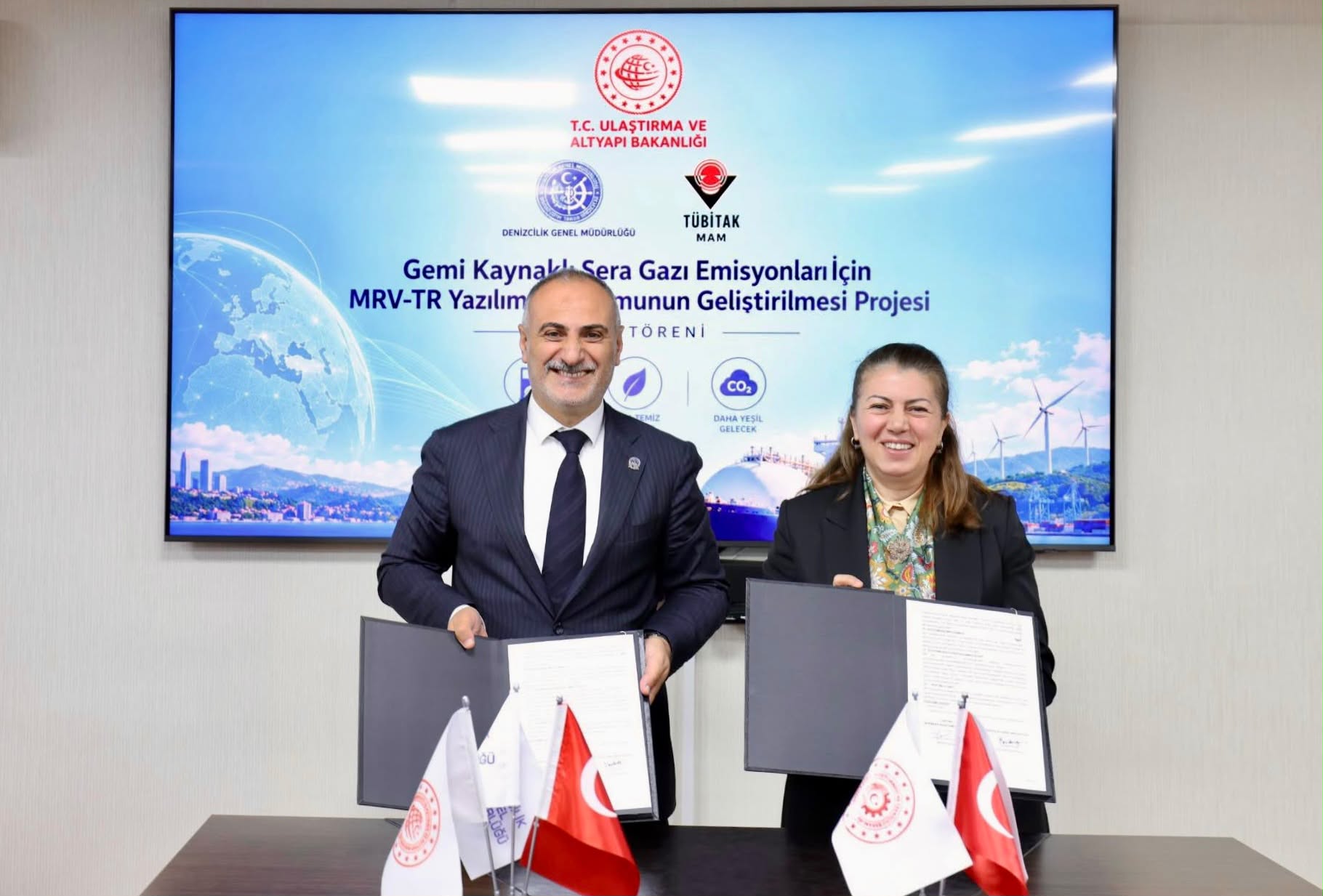
With the protocol signed by the Turkish Standards Institute (TSE) and TÜBİTAK MAM, the "Development, Implementation and Dissemination of Fast, Economic and Practical Detection Methods for the Source of Gelatin, Glutamate and L-Cysteine in Halal Food Inspections Project" was implemented.
Within the scope of the project, which is carried out by TÜBİTAK MAM Food Institute researchers and is targeted to be completed in 2018, methods will be developed for easier and more economical detection of pork-derived gelatin, monosodium glutamate and l-cysteine substances, which have difficulties in the analysis of halal food inspections in the world.
After the completion of the project, with the introduction of DNA-based domestic methods that will make inspections much shorter, both an important step has been taken in ensuring national food safety and unfair competition in the sector will be prevented to a great extent.
Turkey's share of the halal food inspection market, which exceeds 800 million dollars, will increase with the introduction of the developed domestic analysis methods in TSE laboratories.
Assoc. Prof. Dr. Canan Doğan, lead researcher at the TÜBİTAK MAM Food Institute, told AA correspondent that monosodium glutamate, l-cysteine and gelatin are very critical food additives used in the food and beverage industry.
Stating that the tests of food additives vary between 1-3 weeks in most cases, but that additives such as gelatin cannot be analyzed, Doğan said, "This is the case all over the world. For example, l-cysteine cannot be detected when it is added externally into bread flour."
Doğan said that the project, which they implemented within the scope of the protocol signed with TSE, covers the detection of these additives in a shorter time in the laboratory environment, and continued as follows:
"These analyzes, which are carried out for about a week in the world, will be able to be done in half an hour or an hour after the project is completed. It will be incredibly beneficial for the food sector. Especially large companies will experience a serious relief in the purchase of raw materials that they think have a problem in their origin. In terms of human health, the question 'What is the origin of this?', which is especially valid for all of us, will be answered."
Pointing out that Turkey buys most of its food additives, including gelatin, from abroad, Doğan said: "Gelatin needs to be obtained from bovine skin. Unfortunately, there is not enough gelatin production in Turkey for the food industry. The sector, which cannot find enough leather in the world, can be exposed to pigskins after a while, or pigskins can be processed where bovine leather is processed. For this reason, contamination can occur."
Emphasizing that the issue of l-cysteine is very important, Doğan said, "L-cysteine additive is used in the production of products such as pizza, toast and hamburger bread. In the Far East, it can be produced from pig hair or human hair. Doubts need to be eliminated at the point of determining the origin of these."
Stating that the project will be a pioneer in terms of halal food inspections and will provide Turkey with a serious economic gain, Doğan said: "The halal food market in the world is around 890 million dollars. When we start conducting tests that have never been done before and market them to the Middle East, our share of this cake will increase. Therefore, scientific studies on this subject will provide a very serious economic gain for our country."
Doğan said that the project, which is planned to be completed by the end of 2018, will be carried out by TÜBİTAK MAM Food Institute researchers in cooperation with TSE, Izmir Institute of Technology and Yıldız Technical University, adding that the budget of the project is 1 million liras and is supported by TÜBİTAK 1003 Priority Areas R&D Projects Support Program.
Expert researcher Dr. Mediha Esra Yayla stated that with the introduction of such analyzes, the halal food market will grow and the capacity to issue halal food certificates will increase.
Source: http://www.milliyet.com.tr/gida-guvenliginde-sevindirici/ekonomi/detay/2220122/default.htm