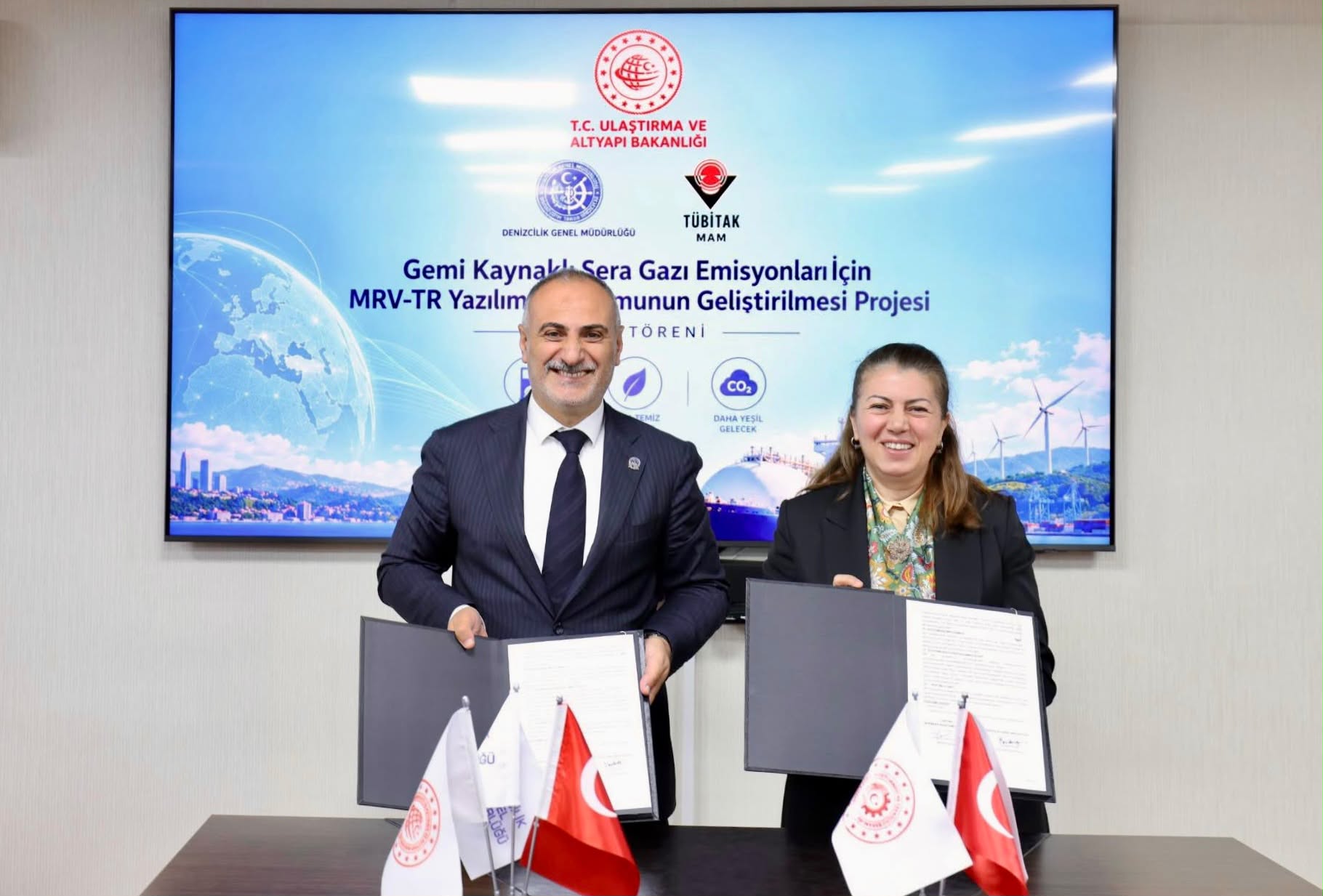
TÜBİTAK Marmara Research Center (MAM) Energy Institute and Saudi Arabia King Abdulaziz City for Science and Technology (KACST) Institution, "Technology Collaboration Project For Developing A 7-Feeder Power Quality Analyzer (KACST PQ2)" and "Technology Collaboration Project for Developing Solar Central Inverter" for the development of photovoltaic central inverters for use in solar power plants. Signed project contracts.
7 Feeder Power Quality Analyzer Development In the Technology Cooperation Project, a power quality analyzer that will measure 7 feeders with common voltage channels at the same time will be developed with the know-how gained from the power quality analyzer developed in cooperation with Saudi Arabia KACST Institution, which can measure with high accuracy and precision in accordance with IEC 61000-4-30, IEC 61000-4-7, IEC 61000-4-15 standards. Although the system to be developed has no precedent, it will significantly reduce the total cost of the power quality analyzer required for 7 feeder measurements.
Within the scope of the project, power quality analyzer hardware and software and communication software will be developed, power quality analyzers will be produced and necessary trainings will be provided. Project outputs will be used in wide area power quality monitoring systems, distribution and transmission SCADA (Remote Control and Monitoring System).
During the "Technology Collaboration Project for Developing Solar Central Inverter" signed with the same institution and started in April 2019, the technology transfer of the photovoltaic inverter to be developed jointly will be made to the KACST organization.
In the project (Technology Collaboration Project for Developing Solar Central Inverter) to be carried out by the TÜBİTAK MAM Energy Institute Inverter Group, a photovoltaic inverter that converts direct current produced by photovoltaic panels in solar power plants into alternating current and transfers the energy produced to the grid will be developed and produced. The highest energy conversion efficiency of the inverter, which will be designed with a power level of 1 MW, will be above % 98. The inverter will be designed in accordance with the IEEE1547 standard in terms of grid power quality characteristics, and the output current harmonics of the inverter and the response of grid voltage fluctuations will comply with the standard. The product, which is planned to have a design life of 20 years, will be designed to operate safely in desert climatic conditions.
The first sample product will be installed in Saudi Arabia to examine the long-term operating conditions and to gain knowledge for better photovoltaic inverter designs in the future.