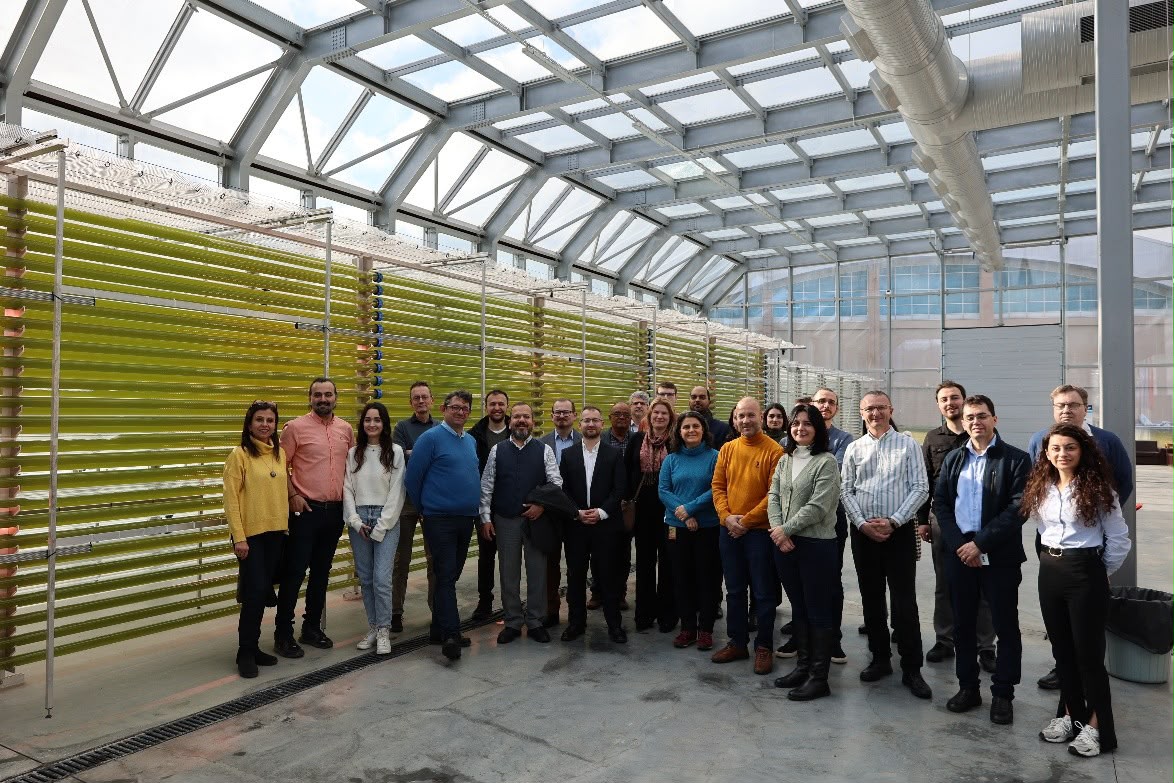
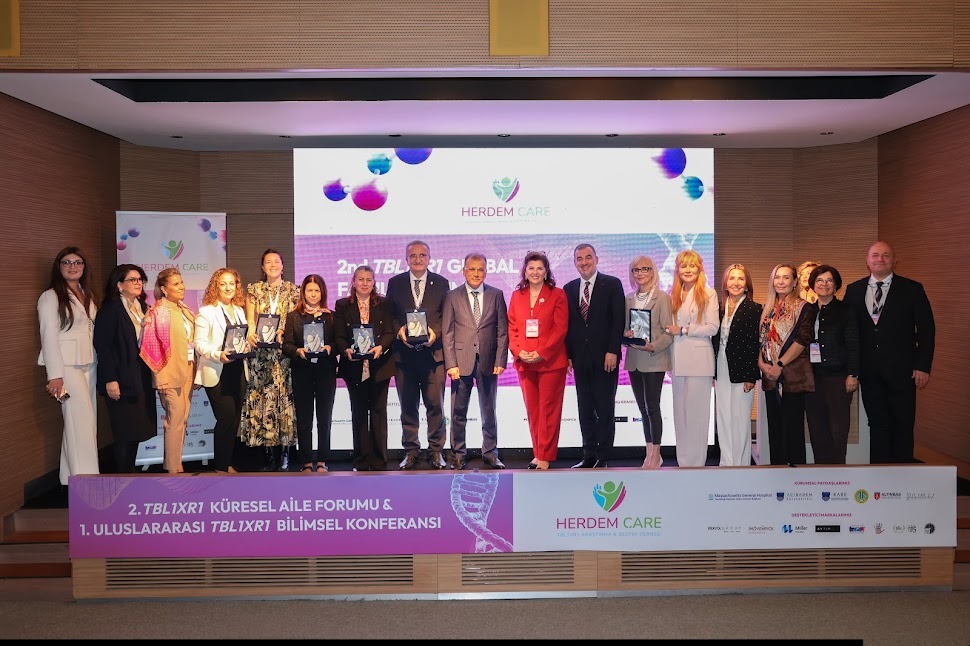
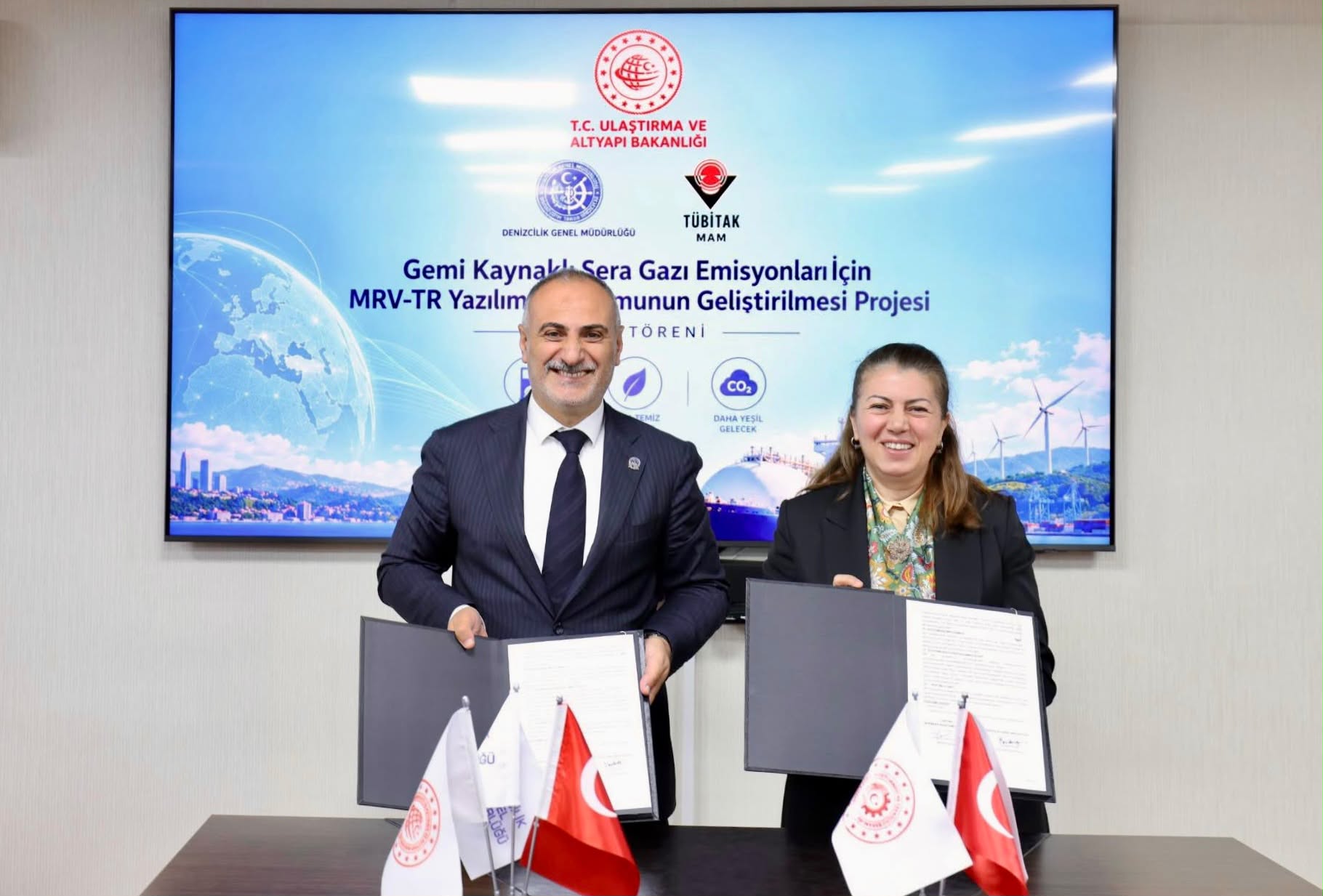
The Fourth National Arctic Scientific Research Expedition (TASE - IV), which will be carried out under the auspices of the Presidency, under the auspices of the Ministry of Industry and Technology and under the coordination of TÜBİTAK MAM KARE, has started.
The Turkish Science Team, which set off from Istanbul to Oslo on June 26, 2024 within the framework of TASE - IV, which will be organized for the fourth time this year, passed from Oslo to Tromso City of Norway. The team will board the Norwegian flagged Scientific Research Ship "R/V PolarXplorer" (Ice Class 1C) and will start the expedition process at 71 degrees latitude. During the expedition, 16 projects will be realized. Stopping at 24 stations, samples that will lead scientific research will be taken. In line with the plans, after reaching the sea ice line, the ship will return and the expedition will end on July 25, 2024 in Longyearbyen City in the Svalbard Islands. From here, the Turkish science team will return to our country with scientific samples.
The Expedition Team consists of 11 people in total, including 9 Turks and 2 Foreign Guest Researchers from Bulgaria and Chile. Sixteen marine science projects of Dokuz Eylül University, Istanbul University, Istanbul Technical University, Karadeniz Technical University, General Directorate of Meteorology, Middle East Technical University, Department of Navigation Hydrography and Oceanography, TUBITAK, Bulgarian Antarctic Institute, Italian Polar Science Institute, Chilean Antarctic Institute and Austral University of Chile will be realized.
National Polar Research contributes to the efforts to strengthen the presence of our country in decision-making formations in international organizations and to increase the scientific prestige of the Republic of Turkey. At the same time, the National Polar Science Expeditions and Activities carried out with National Polar Researches show that our country has strong scientific potential not only in its own geography but also at the global level.
The Arctic Region includes the Arctic Ocean within its 20 million km² area and is home to 1/3 of the world's hydrocarbon reserves. While decreasing sea ice due to Global Climate Change is causing the migration of marine living resources to these regions, it is also leading to the emergence of new routes in the Northern Ocean sea routes, causing the region to gain importance in terms of maritime trade. These new maritime trade routes, called Northern Sea Routes, provide economic benefits as they are shorter than traditional routes.
The acceleration of scientific activities in the region as a result of the Svalbard (Spitsbergen) Treaty, to which our country is a party, creates a solid foundation for our country to gain Observer Country Status in the Arctic Council, which is responsible for determining the management and security of the Region organized in accordance with its specific conditions. The necessary works and procedures to ensure that our country increases its rights regarding the Region in the international arena by being present in the Global Arctic Region Policies by taking an active role in determining the management and security of the Region by becoming a party to the Svalbard Treaty and gaining the Observer Country Status in the Arctic Council are carried out under the auspices of the Presidency, under the auspices of the Ministry of Industry and Technology, and under the coordination of TÜBİTAK MAM Polar Research Institute.