The project carried out by TÜBİTAK MAM was selected as a success story by the European Union. MycoTWIN (Enhancing Research and Innovation Capacity Of TUBITAK MAM Food Institute on Management of Mycotoxigenic Fungi And Mycotoxins) project develops comprehensive and sustainable solutions in the field of food safety by bringing together innovative control methods, biological control methods, rapid and sensitive analytical test kits, reference materials and digital / smart applications on mycotoxin risks; At the same time, it offers effective strategies to increase the quality and reliability of agricultural products by strengthening information sharing through international collaborations; and continues its pioneering role in the field of food safety in the national and international arena with the TÜBİTAK MAM MycoTWIN project. Details can be found here you can reach.
MycoTWIN project, carried out under the coordination of TUBITAK Marmara Research Center Food Technologies Research Group and supported by the European Union, has provided multifaceted solutions to combat mycotoxins, one of the most important problems encountered in the agriculture and food sector. The scientific and technological approaches developed under the project have strengthened Türkiye's research capacity in this field and contributed to food safety systems at the European scale. Mycotoxins are toxic compounds that occur naturally in foodstuffs, particularly cereals, nuts and dried fruits, and pose serious risks to human health. Controlling these compounds is critical for both public health and agricultural exports. In this context, MycoTWIN project aimed to develop early detection methods, disseminate preventive practices and increase information sharing at the international level. During the project, TÜBİTAK researchers conducted joint research activities with the Italian National Research Council (CNR-ISPA) and the University of Valencia (UV) in Spain, focusing on advanced analysis techniques, risk assessments and rapid detection methods. Through these collaborations, researchers in Türkiye gained access to good practices in Europe and brought their knowledge to international standards.
Project Coordinator Dr. Hayrettin Özer, while evaluating the activities carried out, emphasized that MycoTWIN not only increased research capacity, but also established lasting bonds between researchers through hands-on training and collaboration opportunities. The workshops, seminars and summer schools organized within the scope of the project brought together a large number of researchers from both Türkiye and Europe and contributed to the development of a culture of knowledge sharing and joint research.
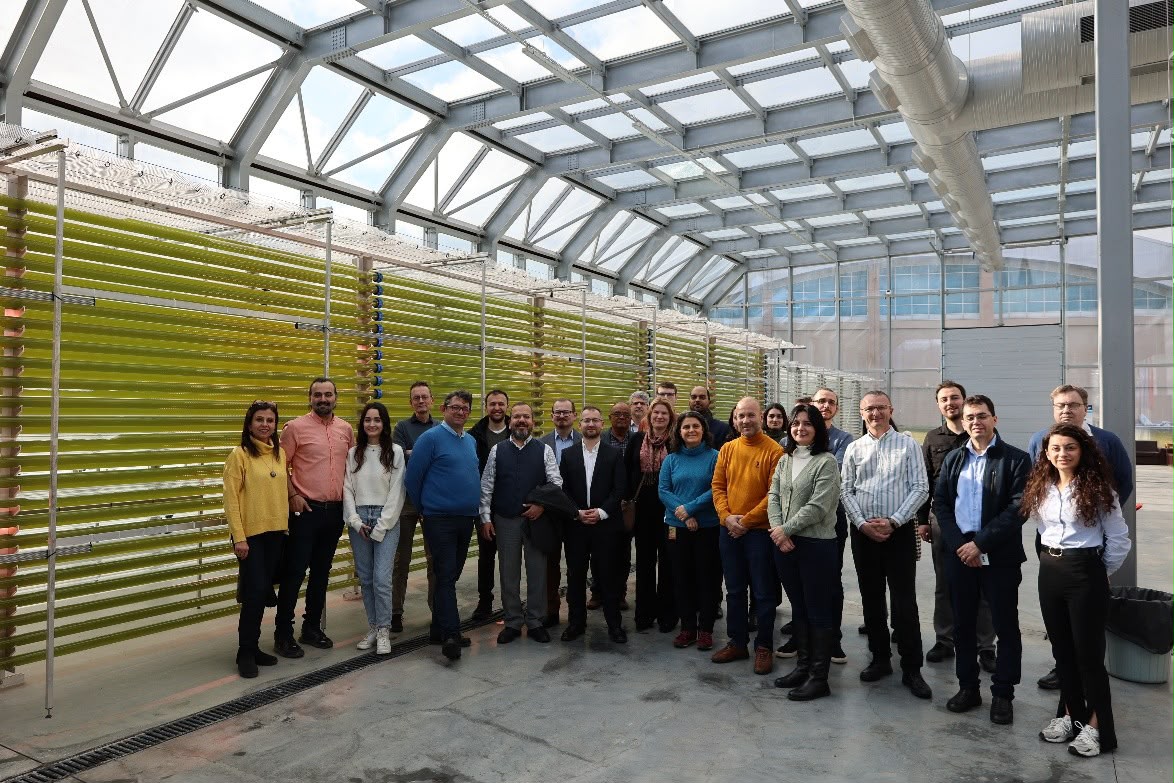
Sustainable approaches to prevent the formation of mycotoxins were also developed in the project. Biological control methods, especially studies using lactic acid bacteria, were evaluated as an alternative to chemical applications and intervention strategies with low environmental impact were proposed. In this way, both product quality is maintained and environmentally friendly production processes are supported. Especially considering Türkiye's share in global hazelnut exports, when the solutions developed within the scope of MycoTWIN are put into use, a significant contribution will be made to significantly reduce export losses due to contamination. Within the scope of the project, interactions have been established not only in research laboratories but also in the field and at industry level. The TUBITAK team visited various food businesses both in Türkiye and Europe and had the opportunity to examine quality control and safety processes on site. These visits contributed to aligning the solutions developed with sectoral needs and facilitated the transition of research outputs into practice.
The impact of MycoTWIN was not limited to the duration of the project, and the knowledge and experience gained paved the way for new research projects. TÜBİTAK MAM continues its pioneering role in the field of food safety with new national projects (development of national early warning systems for mycotoxin risks with unmanned aerial vehicles with multispectral cameras, production of mycotoxin standards with domestic resources, closed system smart agriculture applications) and new European Union-funded projects initiated after the project. The scientific collaborations established during the project have encouraged not only knowledge sharing but also sustainable partnerships.
In his assessment of the project, Prof. Dr. Hayrettin Özer said, "MycoTWIN has increased not only scientific capacity but also institutional resilience. It has contributed to building a strong bridge between Türkiye and Europe by promoting a culture of continuous innovation and collaboration in the field of food safety."
MycoTWIN is a successful example of how scientific research can be directly translated into benefits for public health, the economy and the environment. The achievements have both strengthened mycotoxin management at national level and opened new pathways for a safer and sustainable food system across Europe.
More information about the MycoTWIN project can be found at you can reach.