Interest in the zero-emission building concept is growing significantly in the world. In the future, building designs are expected to be based on this concept. Zero-emission buildings do not produce waste that can be harmful to the environment, but rather benefit the environment.
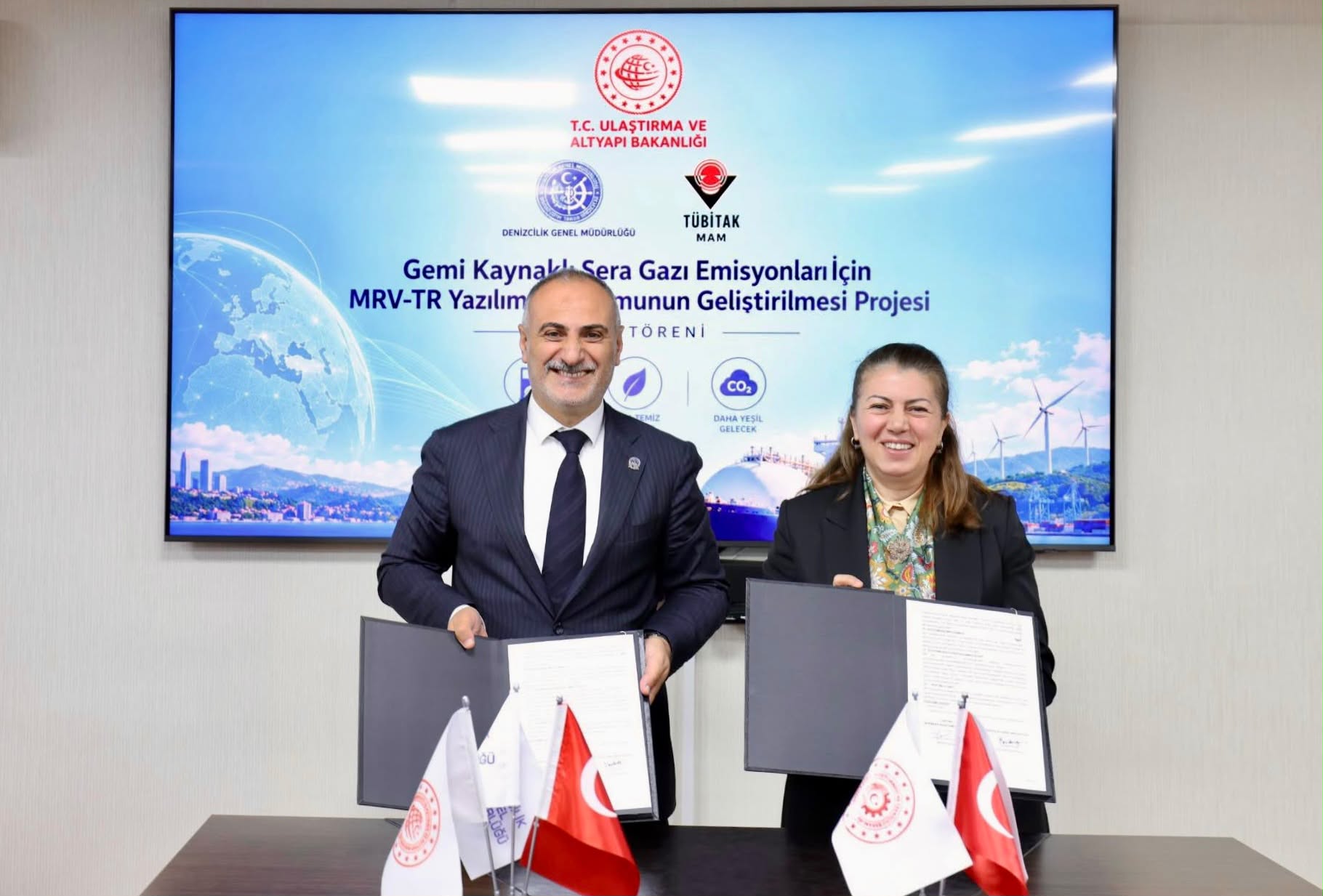
ZEBISTIS Project (www.zebistis.ch) is supported under the KORANET Call for Environmentally Friendly Technologies under the European Union 7th Framework Program and has a multidisciplinary international structure.
Project partners include TÜBİTAK MAM Institute for Environment and Cleaner Production, University of Zurich, University of Applied Sciences, Technical University Berlin, Sungkyunkwan University, Seoul National University, Fraunhofer - IPK and HATI GmbH.
Project work packages include analytical zero emission building practices, development of sustainable management programs for buildings in terms of water and energy, international workshops and symposia.
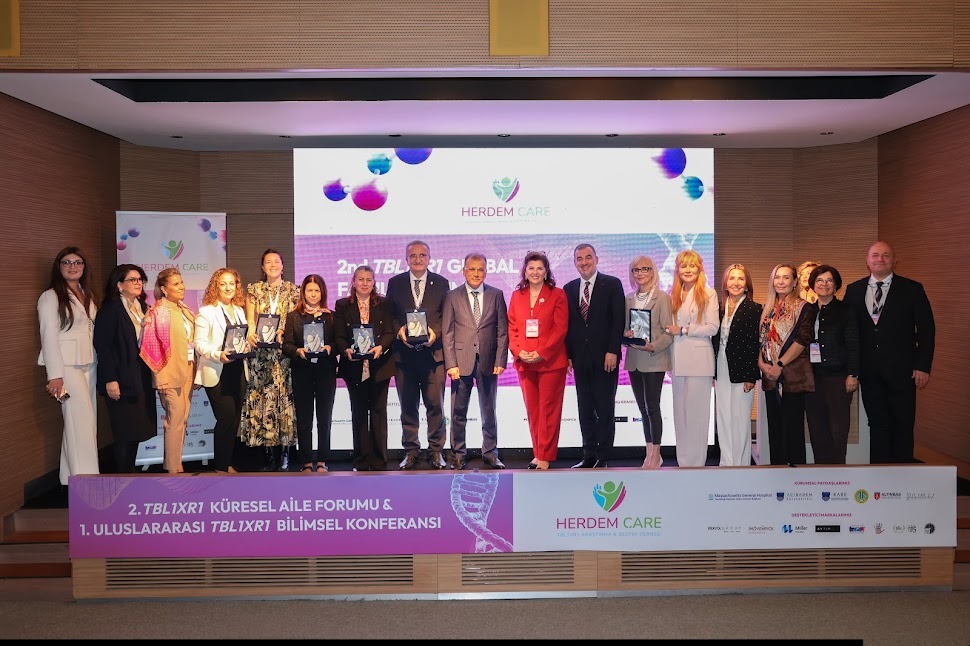
The workshop and symposium of the international project on Integrated Sustainable Technology and Infrastructure Systems for Zero Emission Buildings, which is being carried out under the KORANET Call for Environmentally Friendly Technologies, was held in Kocaeli and Istanbul between October 22-25, 2013.
In this context, through the papers and discussions presented during the Symposium, it is aimed to create an environment for mutual knowledge transfer between the project partners, as well as cooperation with our universities in Istanbul, which have studies on the same subject, and the development of forward-looking concepts.
During the workshops, the details of the program planned to be developed on water/wastewater and energy management, innovation solutions to be implemented in order to design and construct the 600 student capacity school planned to be built in Seoul, Korea in accordance with the zero emission concept were discussed.
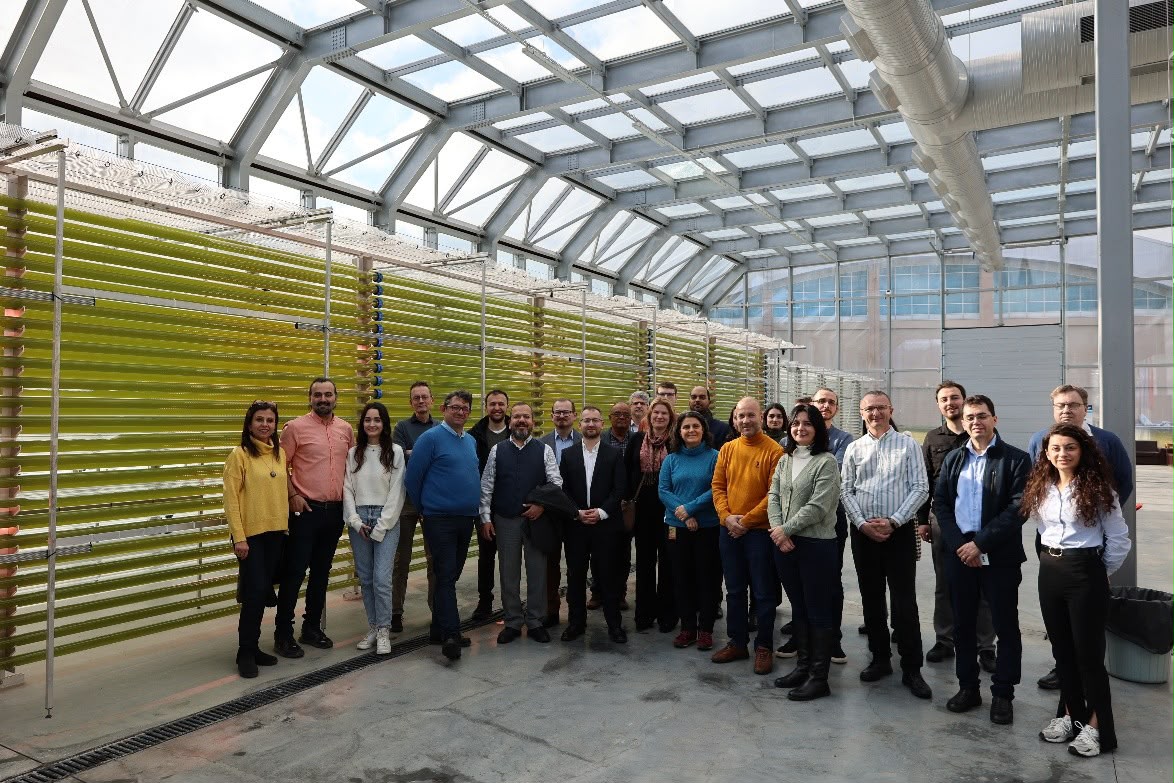
The project partners were introduced and informed about the pilot system for gray water collection, treatment and recycling of lodging buildings and the rainwater collection, treatment and utilization systems for lodging roofs at TÜBİTAK MAM Environment and Cleaner Production Institute (ÇTÜE). Again, the pilot applications and developed products of TÜBİTAK MAM Energy Institute (EE) on the subject were shown.
During the technical visits, the Hamlin Hall building (Student Dormitory) of Boğaziçi University, which was built in 1871, was visited and energy efficiency and gray water recovery system were examined. In addition, Soyak Holding's Leed certified building in Mecidiyeköy was shown. The Basilica Cistern, one of the oldest examples of water collection and distribution systems, was introduced on site.
The project is carried out practically within the framework of the activities of developing environmentally friendly sustainable technologies and clean production concept, which are among the priority areas of study at ÇTÜE.