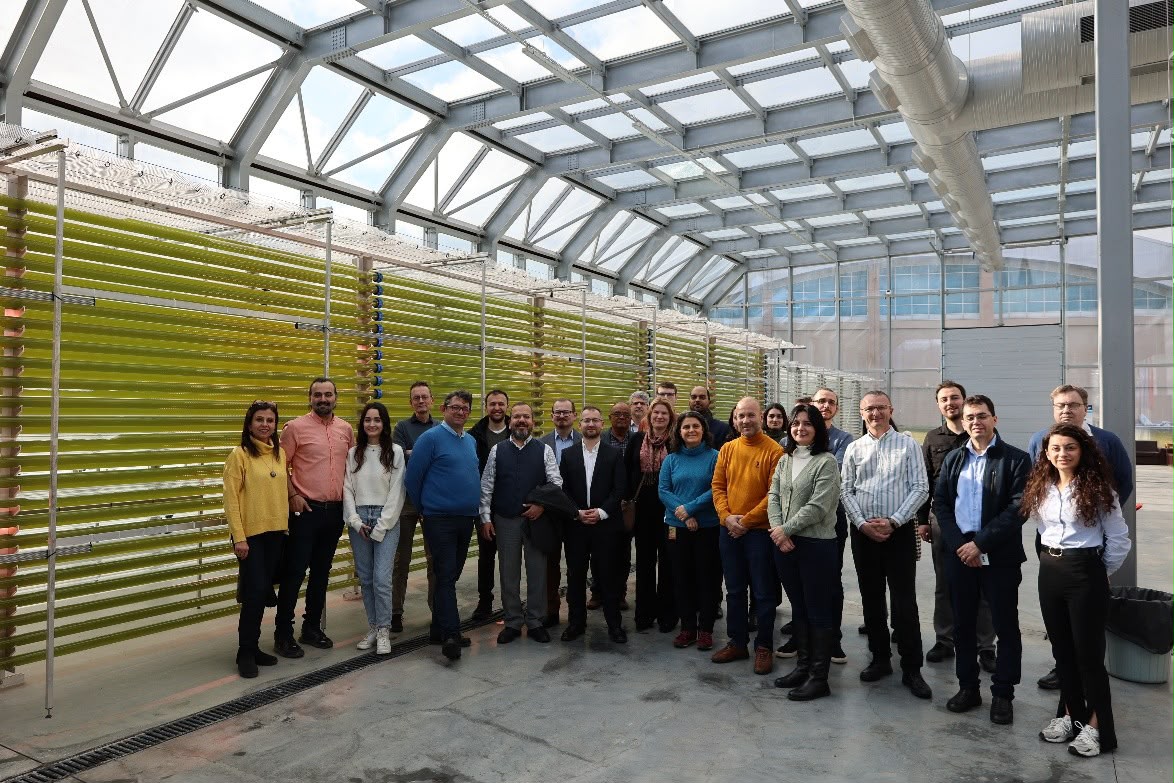
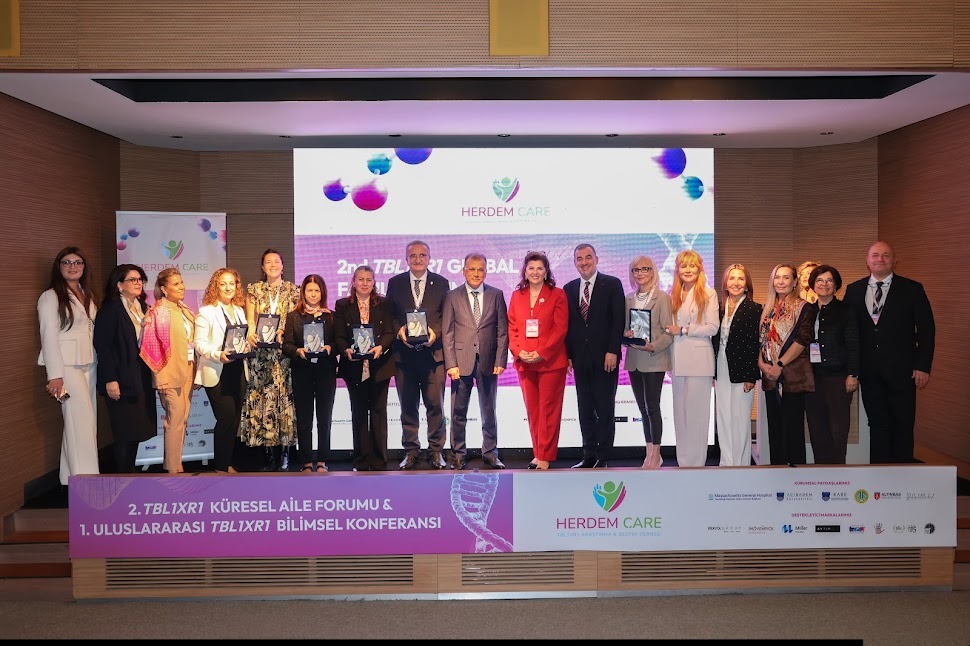
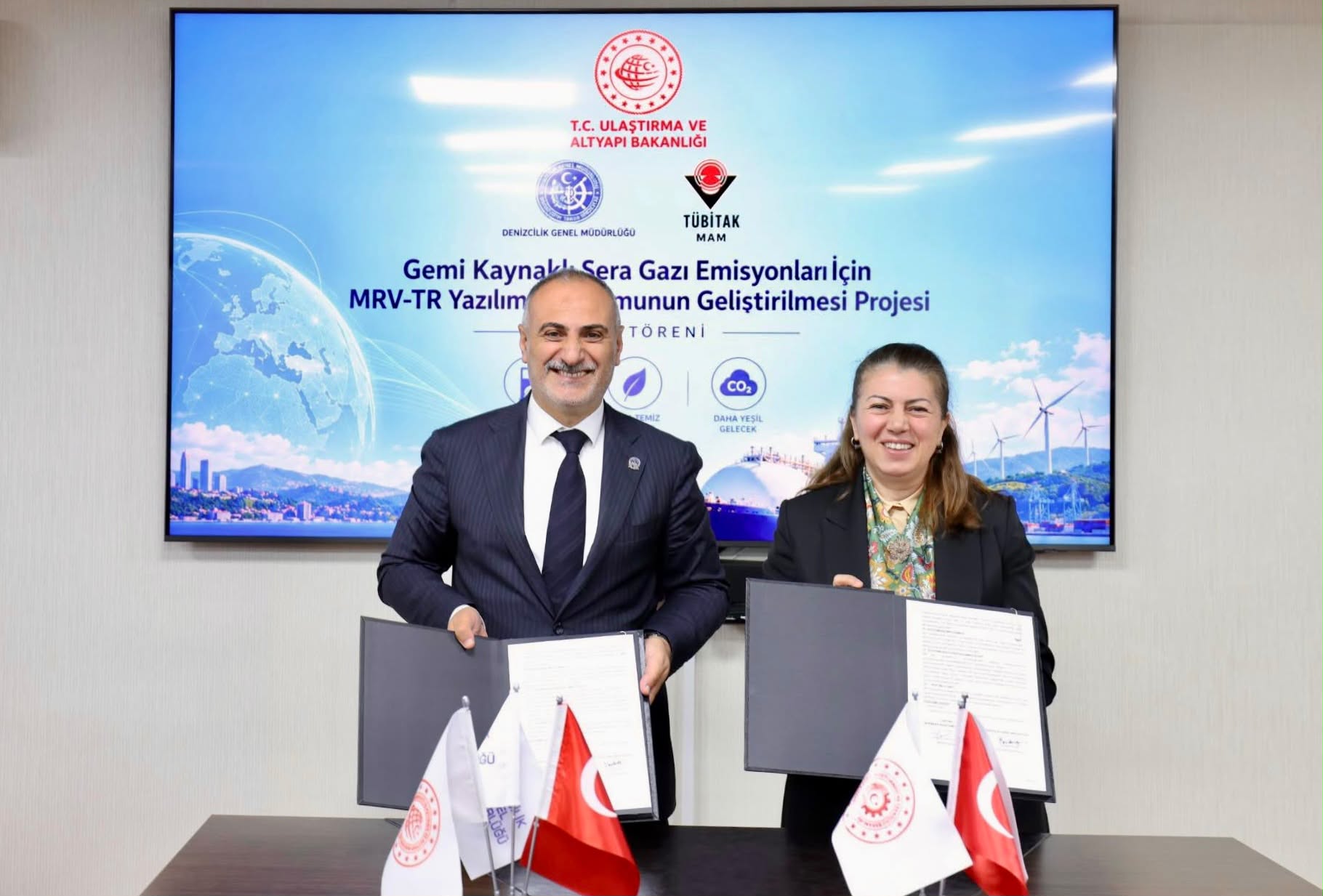
Within the scope of the Trainee Researcher Scholarship Program (STAR) supported by TÜBİTAK, it is planned that undergraduate students will take part in research projects carried out in TÜBİTAK Centers and Institutes or supported by the Institution for a period of 6 months.
As TUBITAK Marmara Research Center (MAM), we support our successful students to gain research experience in the fields of science and technology they are interested in with a large project-based scholarship program, which was realized for the first time in our country. We continue to support undergraduate students to take part in scientific research projects in addition to their academic studies, to increase their creativity, to develop their engineering, problem solving and intellectual skills with all our opportunities.
As TÜBİTAK MAM, we are hosting nearly 150 STAR Scholars. In line with our goal of making a significant contribution to our National Technology Movement and bringing qualified human resources to our country, we organize TÜBİTAK MAM Institute Introduction Programs to help our undergraduate students gain R&D culture, take the first step into innovation, production, R&D studies and research ecosystem, and encourage them to conduct research.
Upon popular demand, our introductory programs for STAR Scholars have been opened to the participation of all Interns and Scholars at our Center, as well as domestic and international graduate and doctoral students and all our staff.
The first presentation of the TÜBİTAK MAM Institute Presentation Programs, which will last for two months, was held on 25.02.2021. Dr. Atilla Yılmaz, Chief Researcher, took place in the form of a 40-minute presentation and 20 minutes of question and answer. Our students, who also participated from abroad, thanked TÜBİTAK MAM for organizing such a program and enabling them to participate.
During the program, students asked Mr. Yılmaz questions about R&D and scientific research in polar regions, National Polar Expeditions, polar camps, polar research infrastructures and facilities, logistics, etc. The curious and entertaining behavior of the students, who directed their questions to Mr. Yılmaz, attracted attention. The students, whose desire to ask questions increased in the face of the answers they received, left wishing the continuity of the programs.