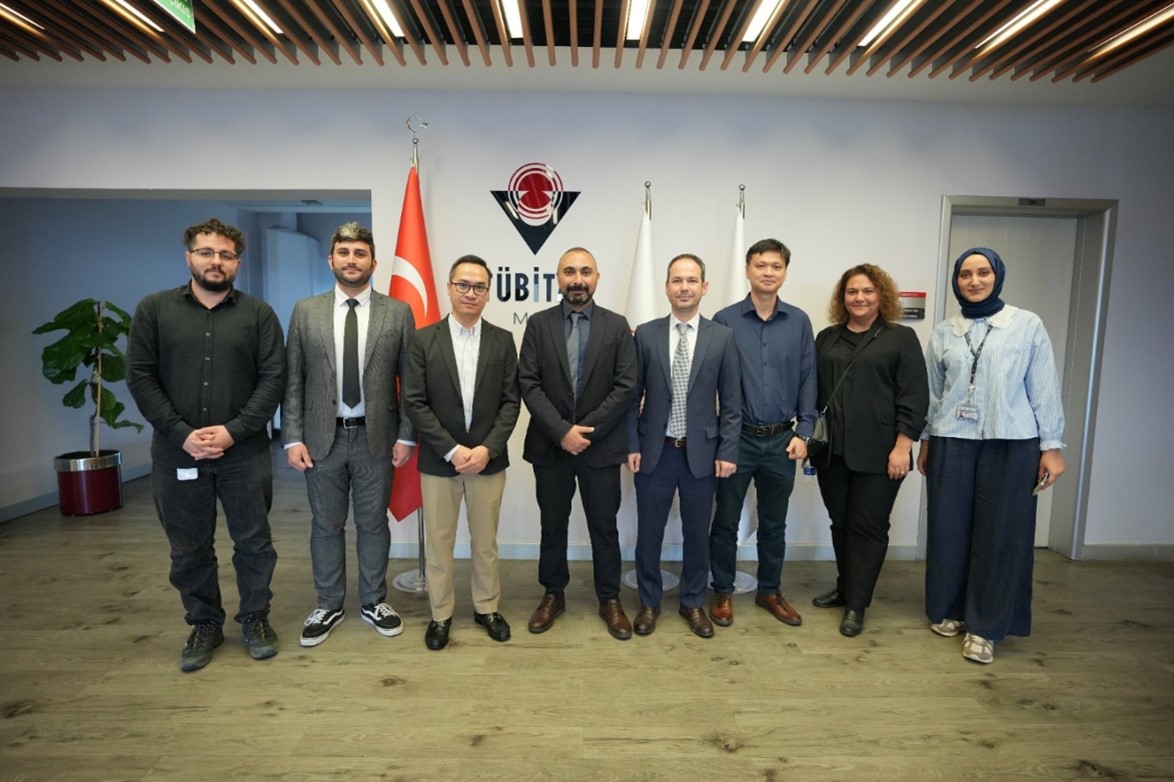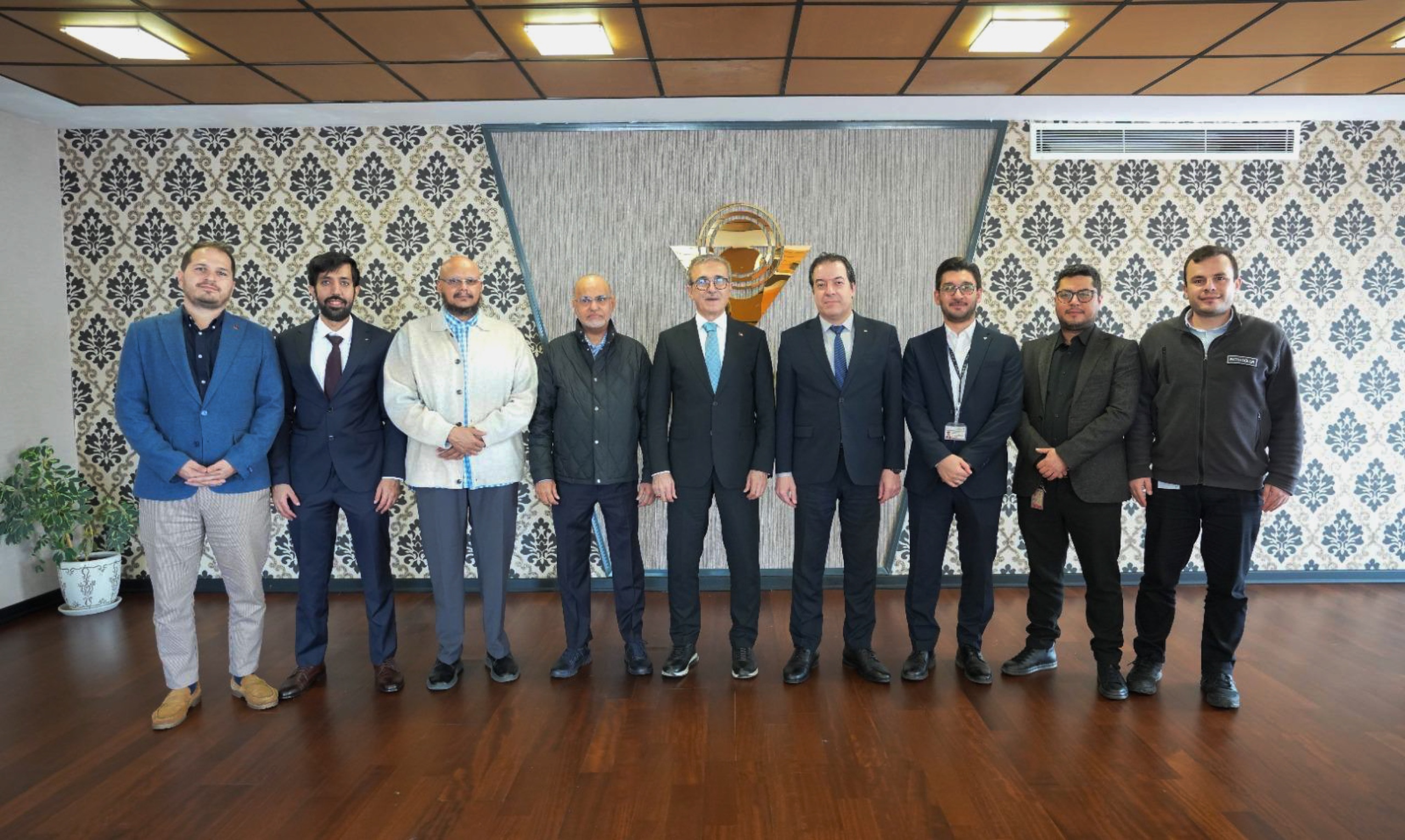
During a visit to TÜBİTAK MAM by Gabriel Mazzola Poli de Figueiredo, Director of International Relations at the São Paulo State Institute for Technological Research (IPT), the Center’s research groups’ activities and laboratory infrastructure were presented. During the meetings, opportunities for collaboration between the two institutions in the fields of research and technology development were evaluated.
Gabriel Mazzola Poli de Figueiredo, Director of International Relations at the Institute for Technological Research of the State of São Paulo (IPT), visited the TÜBİTAK Marmara Research Center (MAM).
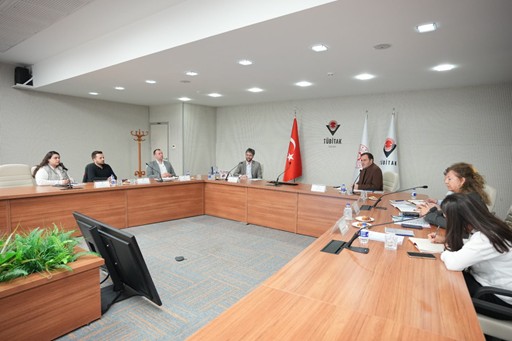
During the visit, which served as a platform for sharing information about TÜBİTAK MAM’s research infrastructure, areas of expertise, and ongoing R&D activities, the Center’s initiatives in various research fields were presented. As part of this, presentations were given by the Biotechnology, Chemical Process Technologies, Hydrogen and Fuel Cell Technologies, Metallic and Structural Materials Technologies, and Resource Efficiency and Clean Energy Research Groups. The program also included a presentation on IPT’s organizational structure and activities.
During the discussions between the two institutions, potential areas for collaboration in research and technology development were discussed, and opportunities for joint work were evaluated. The parties exchanged views on potential collaborations that could be developed in line with the institutions’ areas of expertise and research capabilities.
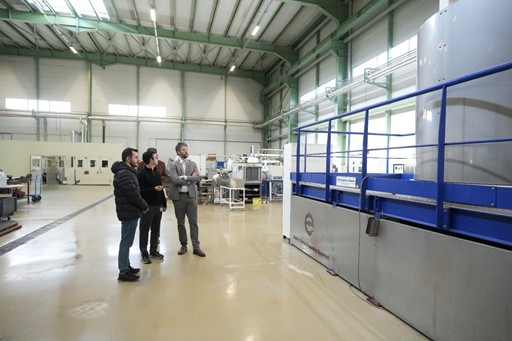
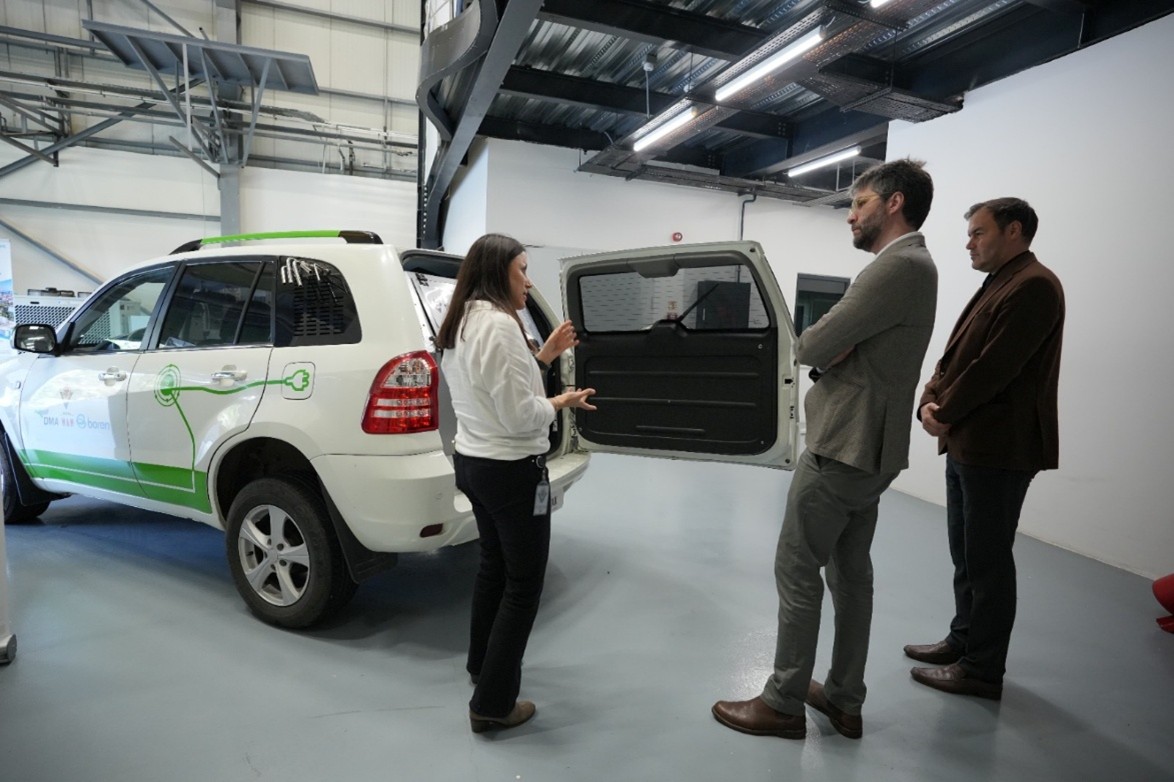
In the next segment of the program, IPT Director Gabriel Mazzola Poli de Figueiredo, visited the Biomass, Coal Combustion, and Gasification Laboratory; the Hydrogen Fuel Cell Laboratory; and the Center of Excellence for Research, Development, and Repair of High-Temperature Materials, all operating under the TÜBİTAK MAM umbrella. During the visits, information was provided on the laboratories’ technical infrastructure, ongoing research activities, and the technologies being developed.
The visit, which showcased TÜBİTAK MAM’s research capabilities across various disciplines, concluded after an assessment of potential areas of collaboration between the two institutions and an exchange of views.