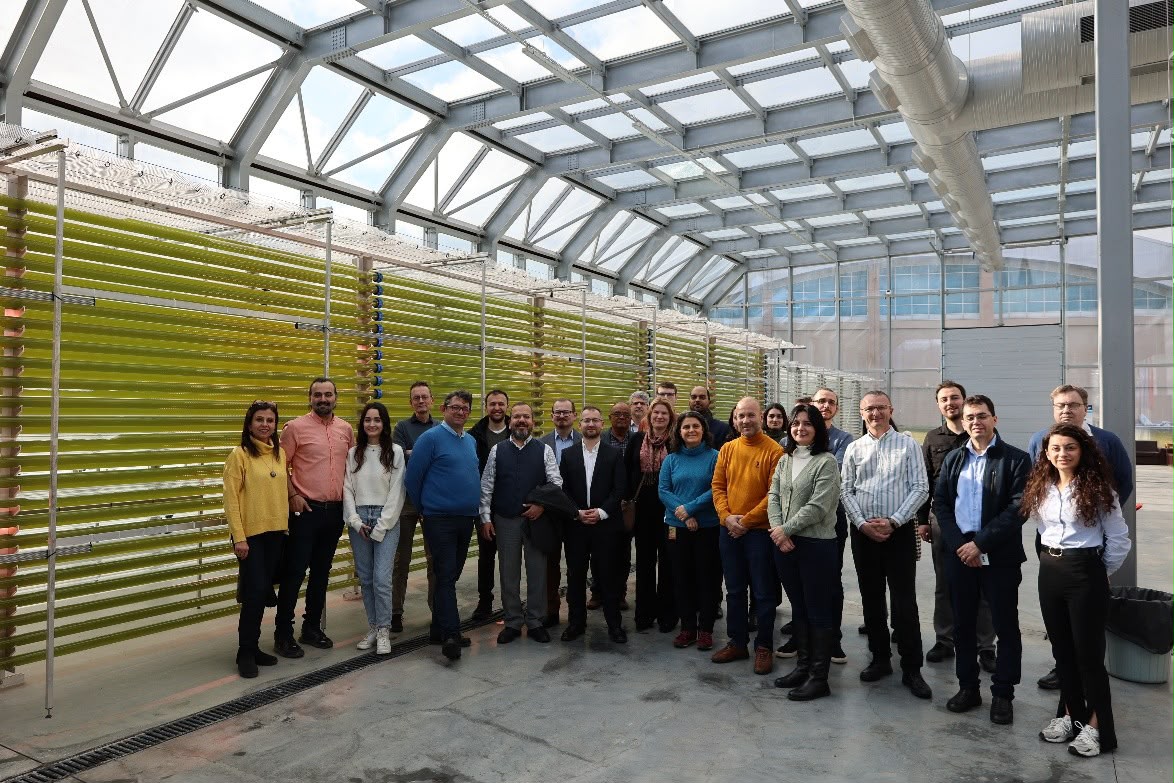
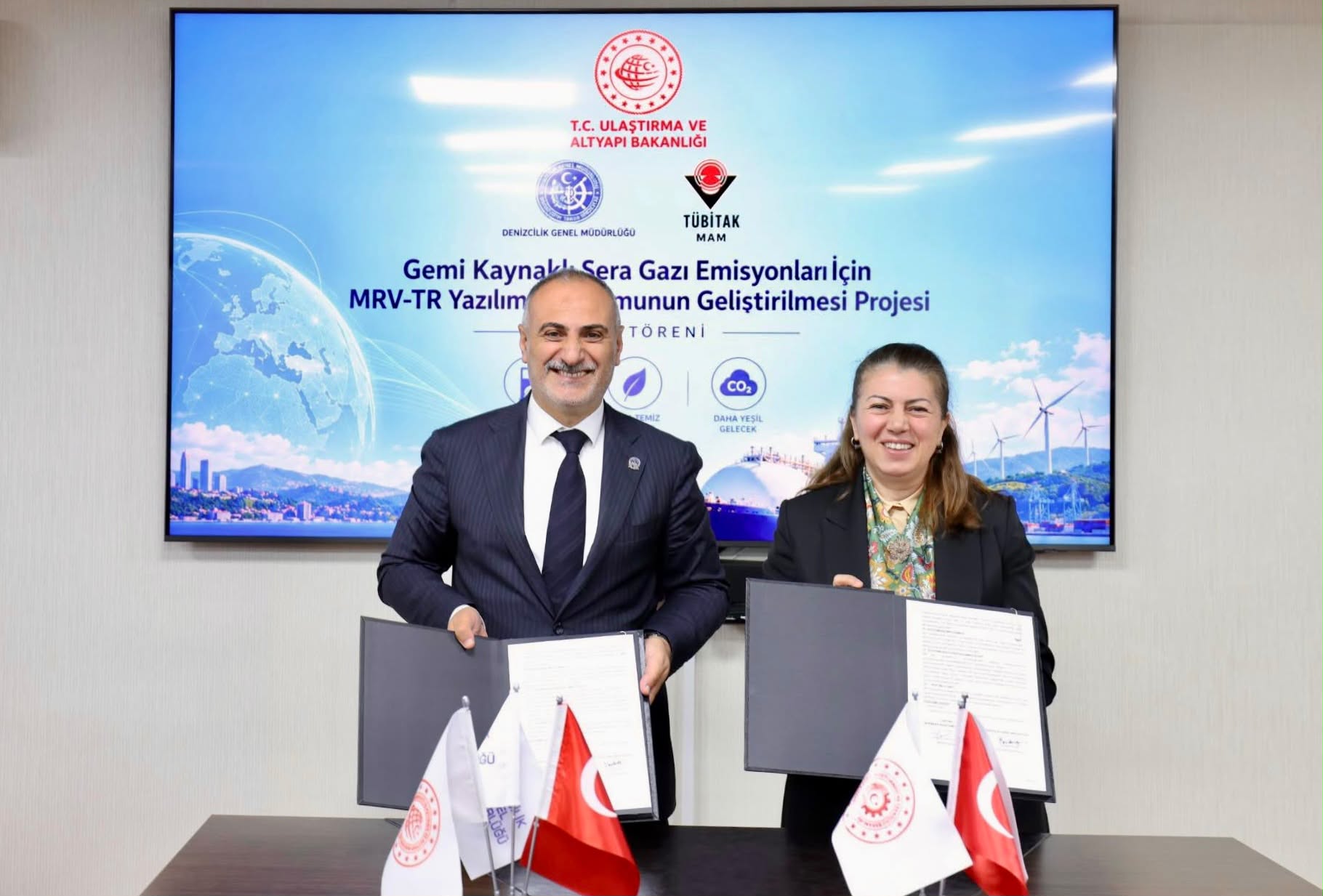
On 22 February 2018, the opening and 1st coordination meeting of the 'Development of Alternative Scenarios for Noise Reduction in Sensitive Areas of Kahramanmaraş Province' Project was held at Kahramanmaraş Metropolitan Municipality. Secretary General of Kahramanmaraş Metropolitan Municipality Züver Çetinkaya, Deputy Secretary General Fatih BÜLBÜL, Head of Environmental Protection and Control Department Sayim ATA, Environmental Protection and Control Branch Manager Yalçın DOBOĞLU and representatives of institutions that can contribute to the project attended the meeting. Project Executive Researcher Melike Neşe TEZEL from TUBITAK Marmara Research Center Environment and Clean Production Institute made a presentation on the project and together with Lead Researcher Assoc. Prof. Dr. Nesimi ÖZKURT provided information about the data to be provided within the scope of the project.
Within the scope of the project agreement signed between TÜBİTAK Marmara Research Center and Kahramanmaraş Metropolitan Municipality on January 4, 2018, according to the criteria specified in the Regulation on Assessment and Management of Environmental Noise (ÇGDYY) and the Environmental Noise Directive (END) No. 2002/49/EC, hotspots in terms of environmental noise will be identified in residential areas where strategic noise maps have been prepared in Kahramanmaraş and noise action plans will be prepared in which mitigation scenarios will be developed.
Within the scope of this study; Noise Management Candidate Areas (NMAAs) will be determined for each source group (road, railway, industry and entertainment) in the residential areas where the limit values specified in the Environmental Impact Assessment Regulation are exceeded and sensitive structures are located. Coordination meetings will be organized and the opinions of responsible institutions and organizations will be taken and Noise Management Areas (NMAs) will be determined from the NMAs. Source-based alternative mitigation scenarios will be developed for the identified GYAs by evaluating the projects planned by stakeholder institutions/organizations that may affect noise management. For the solutions included in the mitigation scenarios, all necessary information such as existing inventory information, digital elevation maps, etc. will be used for modeling. Cost-benefit analyses will be carried out for the mitigation scenarios developed and a Noise Action Plan report will be prepared including all the calculation and evaluation results obtained.