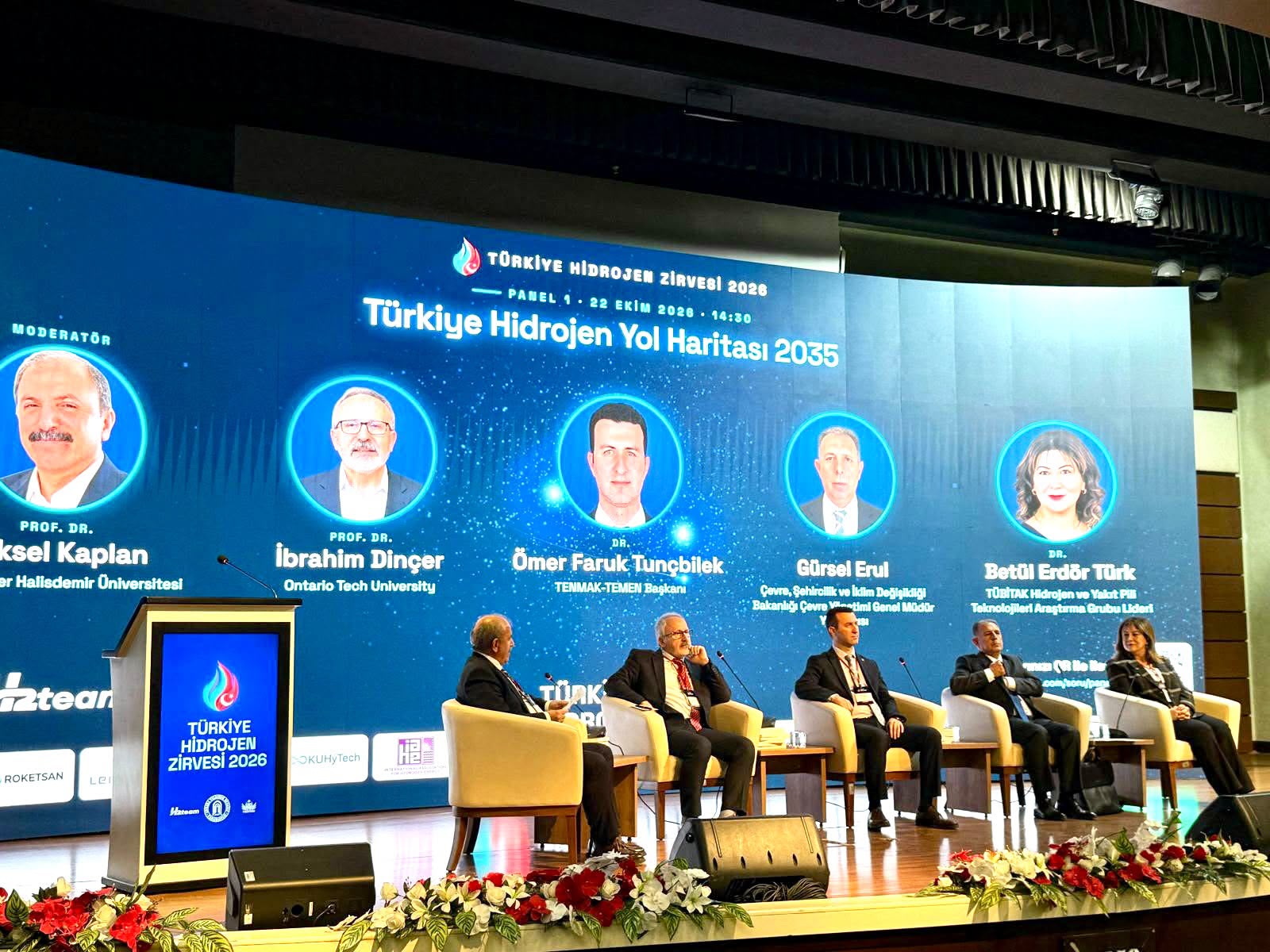
TÜBİTAK MAM, which stands out for its technical expertise across all stages of the hydrogen value chain, participated in the Turkey Hydrogen Summit to showcase its national contributions and industrial collaboration goals in line with the National Hydrogen Roadmap.
Hosted by Ankara Yıldırım Beyazıt University, coordinated by the Center for Hydrogen Technologies and Energy Applications and Research, and organized in collaboration with the Research Center for Energy Strategies and Policies in Turkey, the Turkey Hydrogen Summit 2026 was held at the Etlik National Will Campus. The event, which brought together representatives from public institutions, universities, research centers, and the private sector, was organized with the aim of developing Turkey’s hydrogen ecosystem and contributing to net-zero emissions targets.
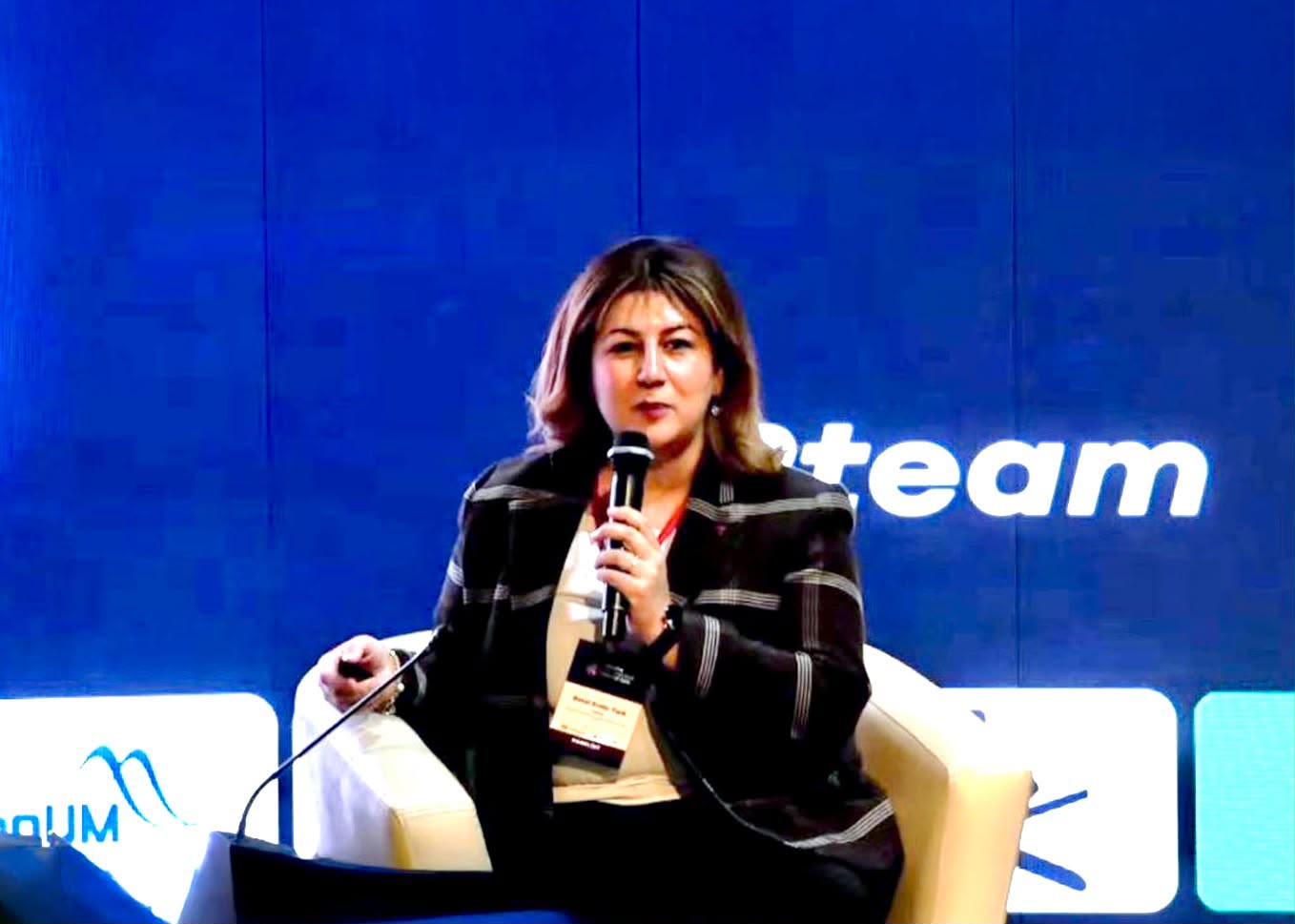
TÜBİTAK Marmara Research Center, which contributes to our country’s technology development capacity, was represented at the summit by Dr. Betül Erdör Türk, Head of the Hydrogen and Fuel Cell Technologies Research Group, along with a delegation of expert researchers. TÜBİTAK MAM, which conducts R&D across the entire process—from hydrogen production and storage to energy conversion and system integration—shared its technical expertise and domestic technology development capabilities with industry stakeholders.
Topics discussed during the summit included the National Hydrogen Roadmap, hydrogen applications in the defense industry, green hydrogen production processes, decarbonization in industry, e-fuels, and the commercialization of the hydrogen economy. In the sessions held, TÜBİTAK MAM demonstrated its role in the clean energy transition, as well as in the design of domestic systems and technology transfer processes aimed at reducing dependence on foreign sources.
At the event, which featured industry-specific panels and exhibition areas, products, models, and systems developed by researchers were presented to participants at free booth spaces. Through these gatherings, TÜBİTAK MAM aims to increase inter-organizational interaction, foster new partnerships, and highlight the decarbonization potential of zero-emission systems in the heavy industry and transportation sectors.