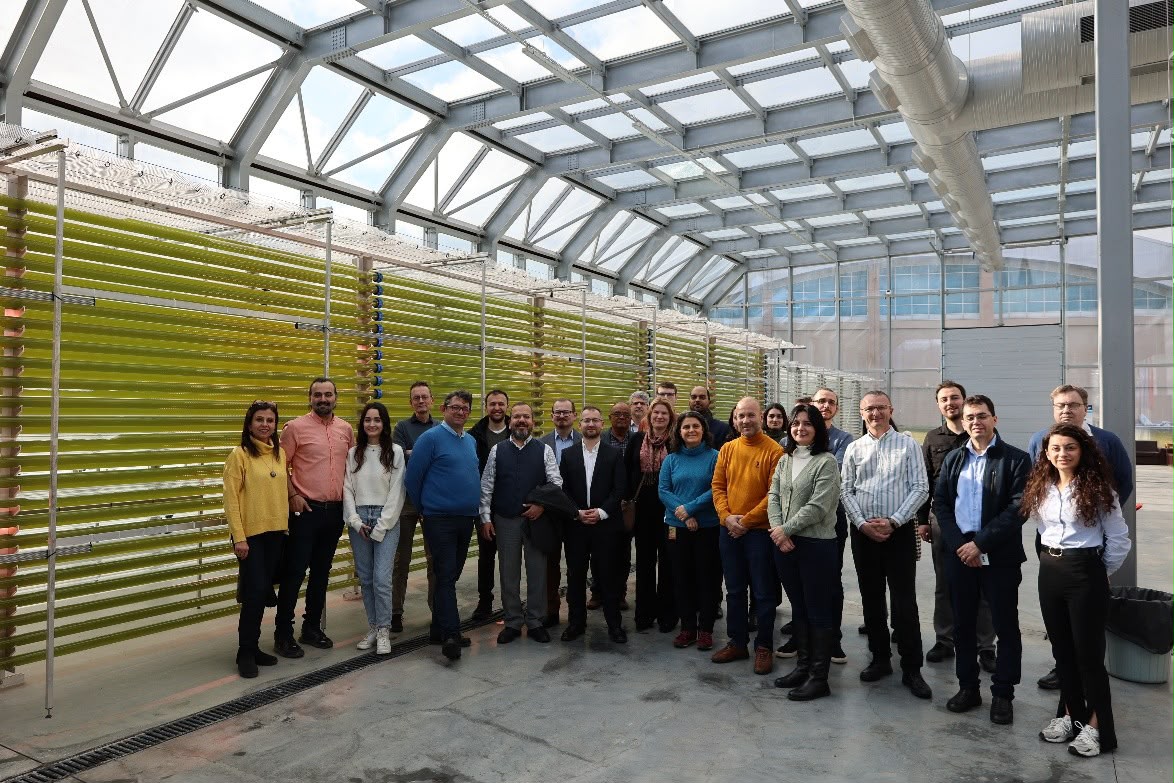
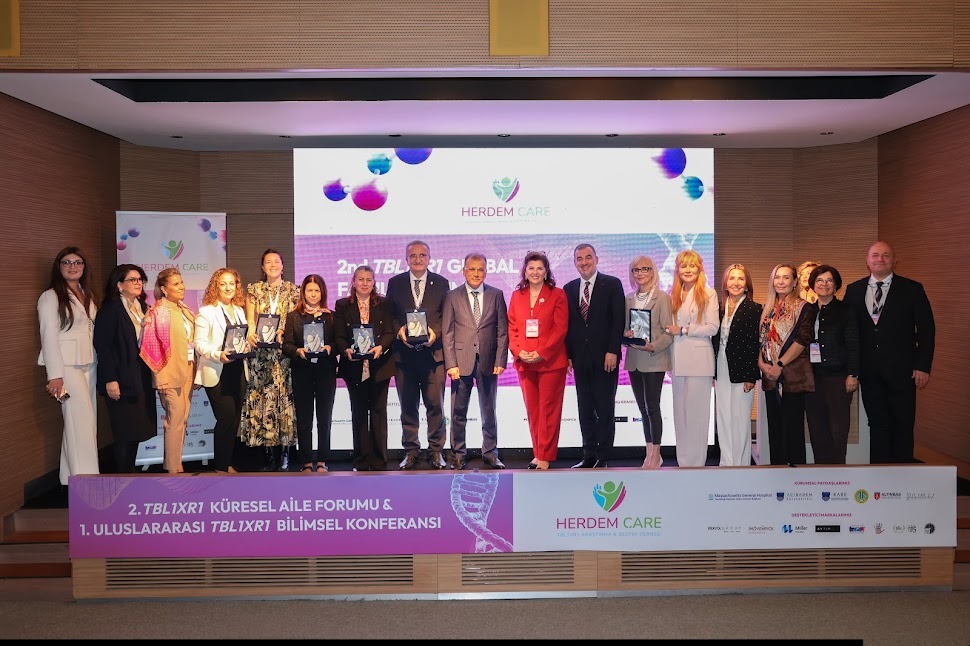
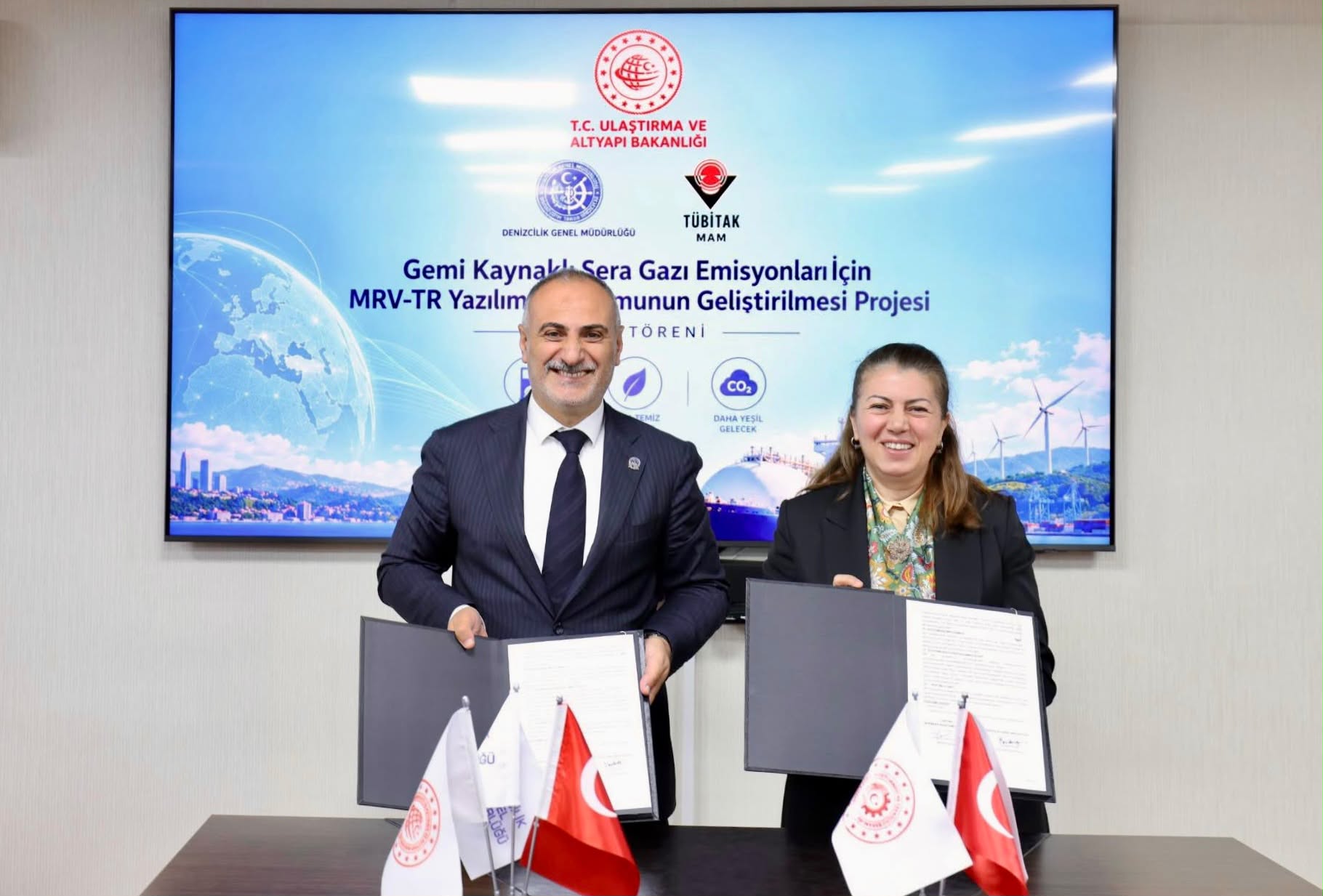
Within the scope of the project "Development, Implementation and Dissemination of Fast, Economic and Practical Detection Methods for the Source of Gelatin, Glutamate and L-Cysteine in Halal Food Inspections" which started on October 15, 2015 in cooperation with TÜBİTAK MAM and TSE, a "Halal Food Workshop" was held on Friday, May 27, 2016 at TÜBİTAK MAM Gebze Campus.
The morning session of the "Halal Food Workshop", which was attended by representatives of institutions, organizations and companies from many public and private sectors operating in the food sector, started with the speeches of Ali Tavlı, Vice President of TÜBİTAK MAM and Doğan Yazar, Deputy Secretary General of TSE.
Assoc. Prof. Dr. Canan Doğan from TÜBİTAK MAM Food Institute on "Important Issues in Halal Food Inspection and Production"; Prof. Dr. Osman Sağdıç, Head of Food Engineering Department at Yıldız Technical University on "Additives (Enzymes, Fatty Acids, Amino Acids) Obtained by Microbial Production"; Nevin Başaran, R&D Manager at Besler Gıda on "Source of Fatty Acids Used in Margarine Production"; Assoc.Prof. Dr. Mustafa Türker, Pakmaya R&D Manager, on "Yeasts (Enzymes, Natural Yeasts)"; Dean and Vice Rector of Alanya Alaaddin Keykubat University Faculty of Medicine, on "Additives (Obtained from Oils, Fatty Acids Used, Glycerol Used, Mono and Diglycerides Used)"; Burcu Seven, Aromsa Legal Affairs Chief, on "Flavors Produced Using Ethyl Alcohol".
A panel was held in the afternoon session of the "Halal Food Workshop". In the panel moderated by Assoc. Prof. Dr. Cesarettin Alaşalvar, Director of TÜBİTAK MAM Food Institute and Prof. Dr. Osman Sağdıç, Head of Food Engineering Department of Yıldız Technical University, the needs, problems and solutions of the sector according to religious obligations within the scope of Halal Food were discussed.
After this workshop, it is aimed to develop new projects that include the development of original methods of national origin that can create competitiveness, ensuring health and ethical (halal) requirements in halal food inspections according to religious obligations, and thus protecting both consumers and producers.