During a visit by representatives from Vietnam-based TECOTEC to TÜBİTAK MAM, the activities of the Sensor and Systems Technologies Research Group were presented, and the laboratory infrastructure in the fields of piezoelectricity and photonics was examined. As part of the program, information was also shared about the work of the Underwater Acoustics Laboratory, and opportunities for potential collaboration between the two institutions were evaluated.
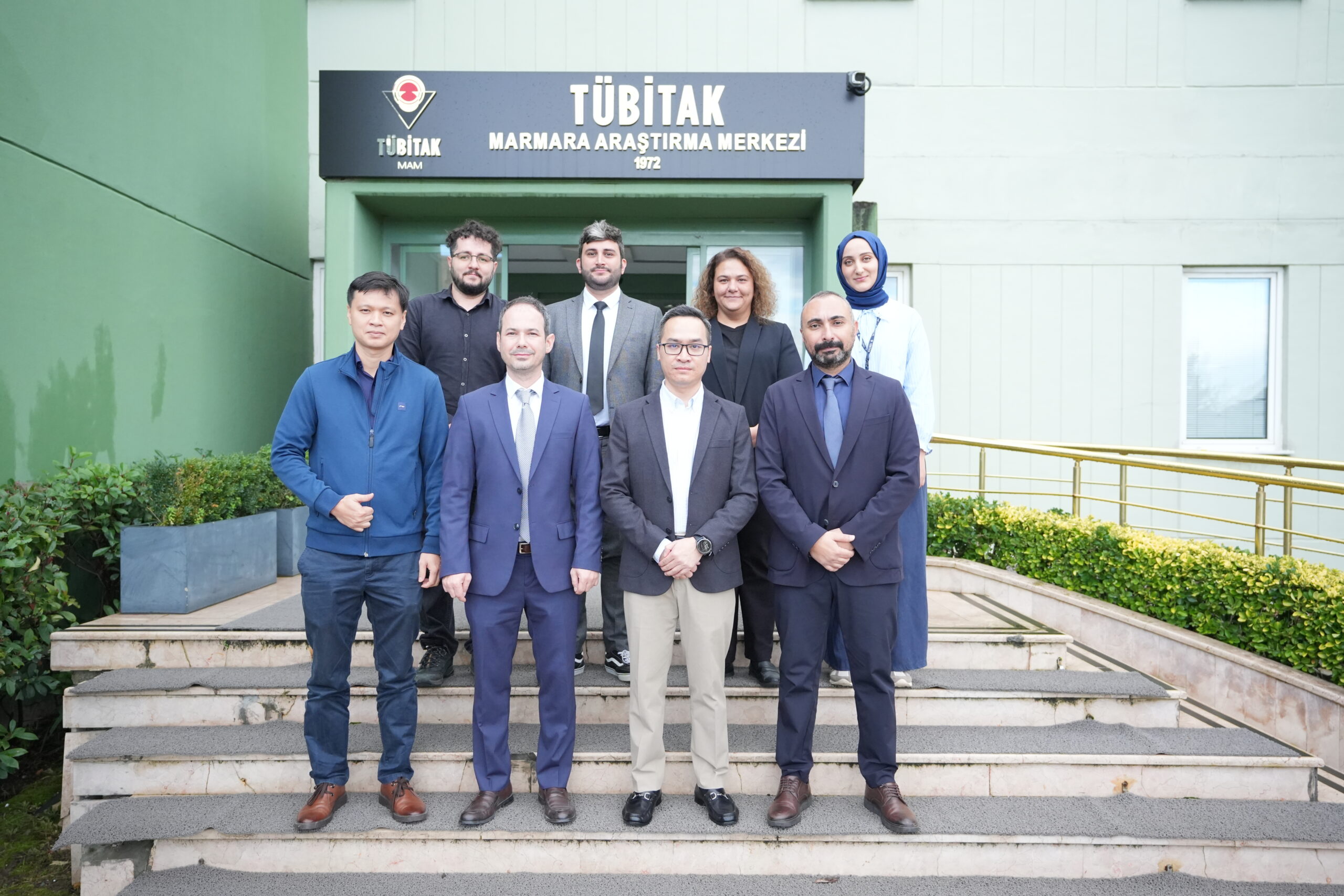
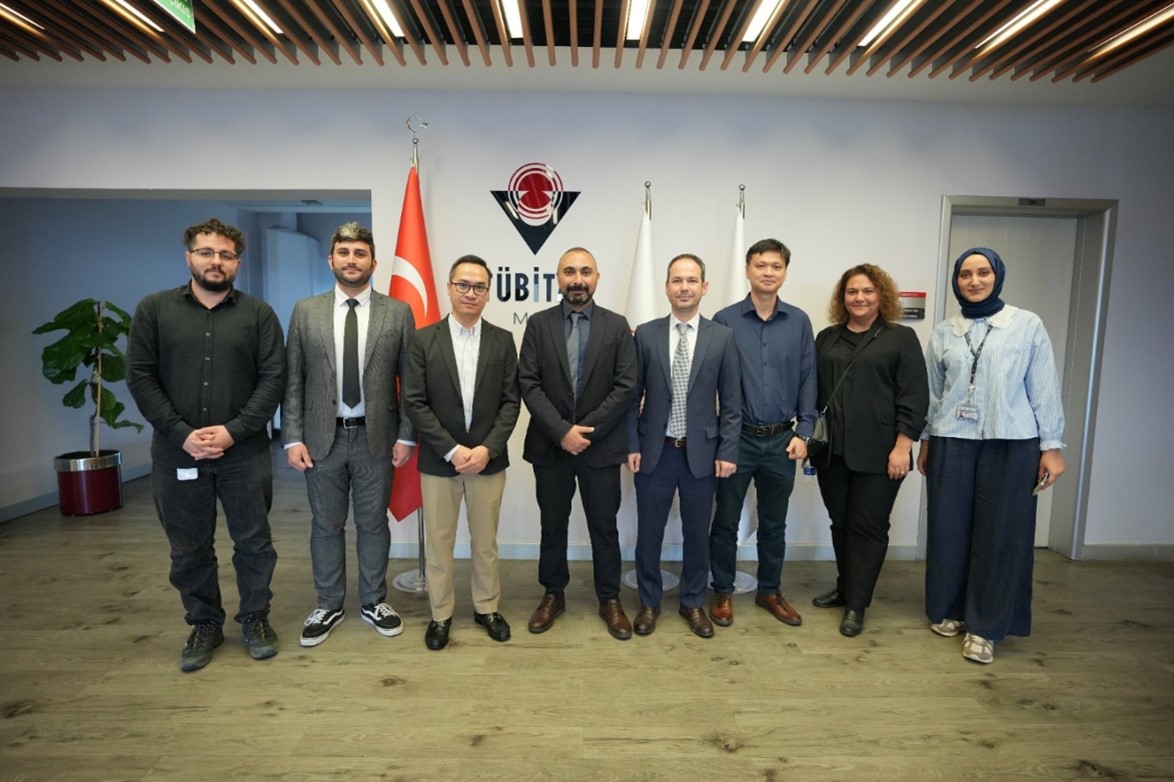
Dinh Cuong Vuong and Duy Thanh Dao, representatives of Vietnam-based TECOTEC, visited the TÜBİTAK Marmara Research Center (MAM).
The visit, during which information was shared about TÜBİTAK MAM’s research infrastructure, technology development activities, and areas of expertise, began with an institutional presentation. As part of the program, the Sensor and Systems Technologies Research Group gave a presentation on the group’s areas of work, ongoing R&D activities, and the technologies it has developed. Following a briefing on TECOTEC’s corporate activities and areas of work, potential areas for collaboration between the two institutions were discussed.
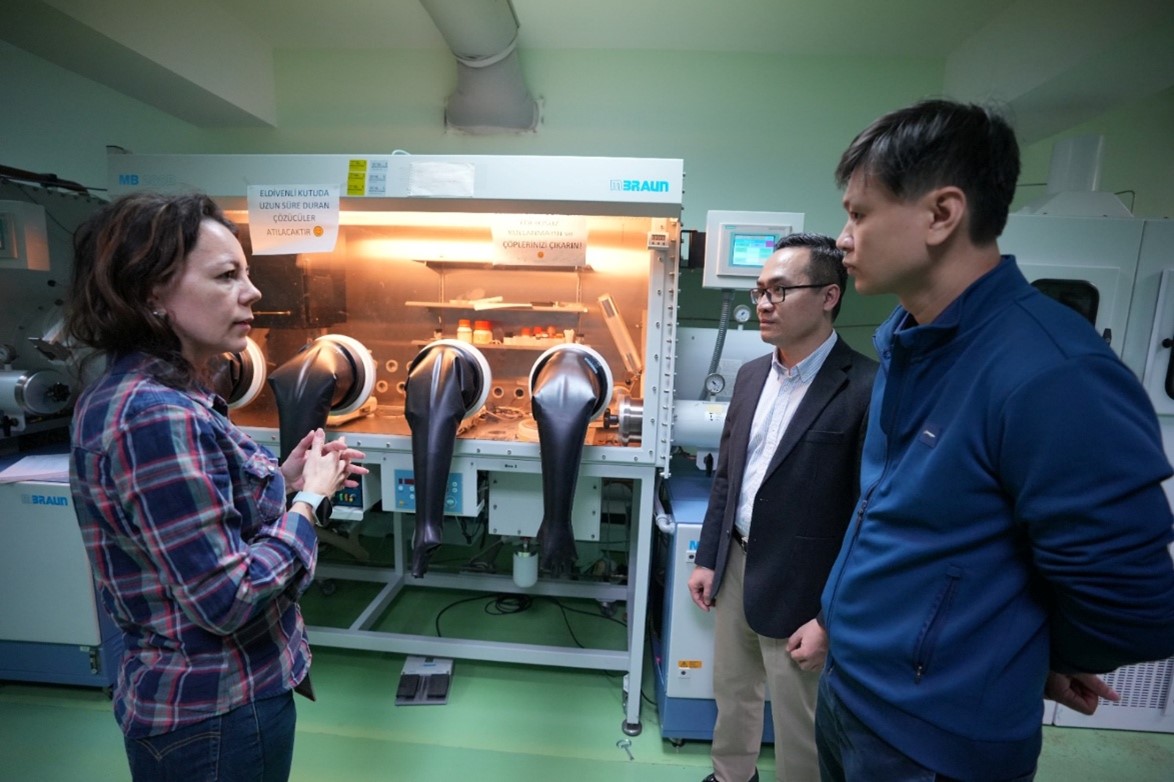
During the remainder of the program, TECOTEC representatives visited the Piezoelectric Laboratory and the Photonics Laboratory, both of which operate under the TÜBİTAK MAM umbrella. During the laboratory visits, information was provided on the research being conducted in the fields of piezoelectric materials and ceramics, as well as research activities related to photonic technologies, the technical infrastructure used, and the application areas of the laboratories.
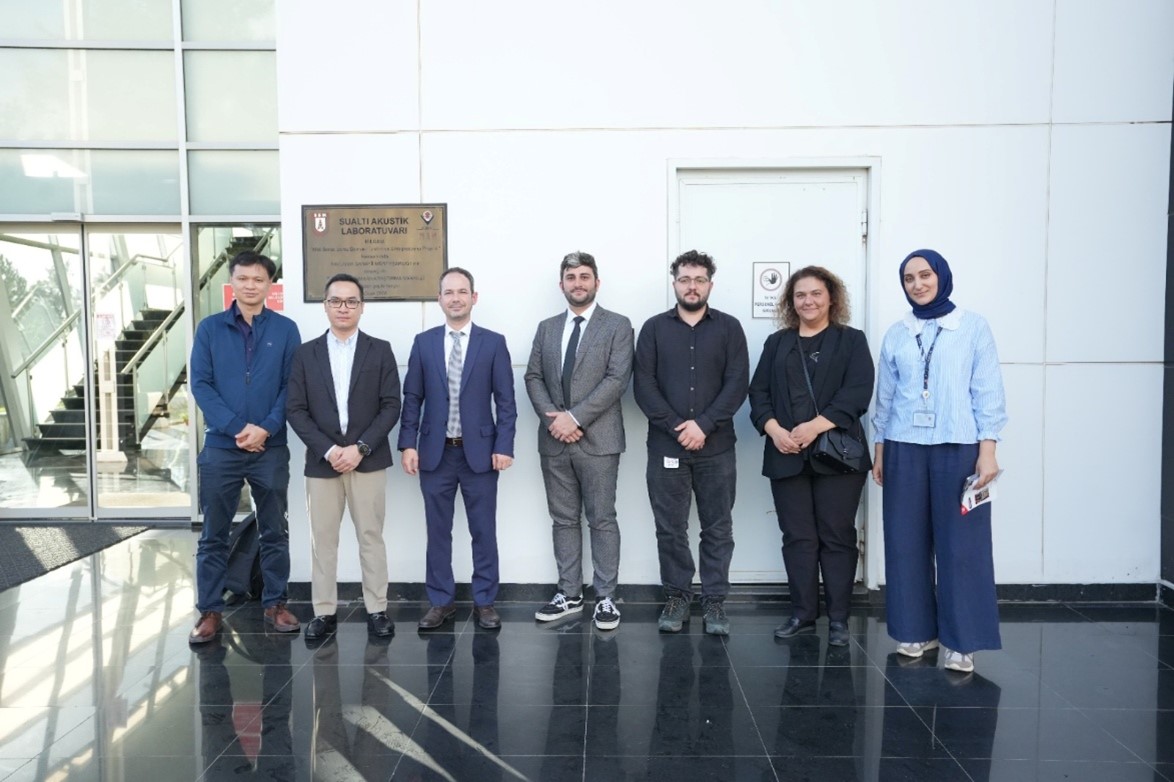
During the technical meeting held later in the visit, the Underwater Acoustics Laboratory (SAL) was introduced. A presentation was given on the laboratory’s areas of work, research infrastructure, and activities conducted in the field of underwater acoustics. Following the presentation, discussions were held on technical issues and potential areas of collaboration.
The visit, which showcased TÜBİTAK MAM’s research expertise in the fields of sensor and system technologies, piezoelectric ceramics, photonics, and underwater acoustics, concluded with an exchange of views on potential opportunities for collaboration between the two institutions.