TÜBİTAK MAM and HEAŞ A.Ş. came together to digitalize noise management at Istanbul Sabiha Gökçen International Airport. With the SAGİS project, which will analyze aircraft noise instantly with the support of artificial intelligence, the domestic R&D era in aviation begins.
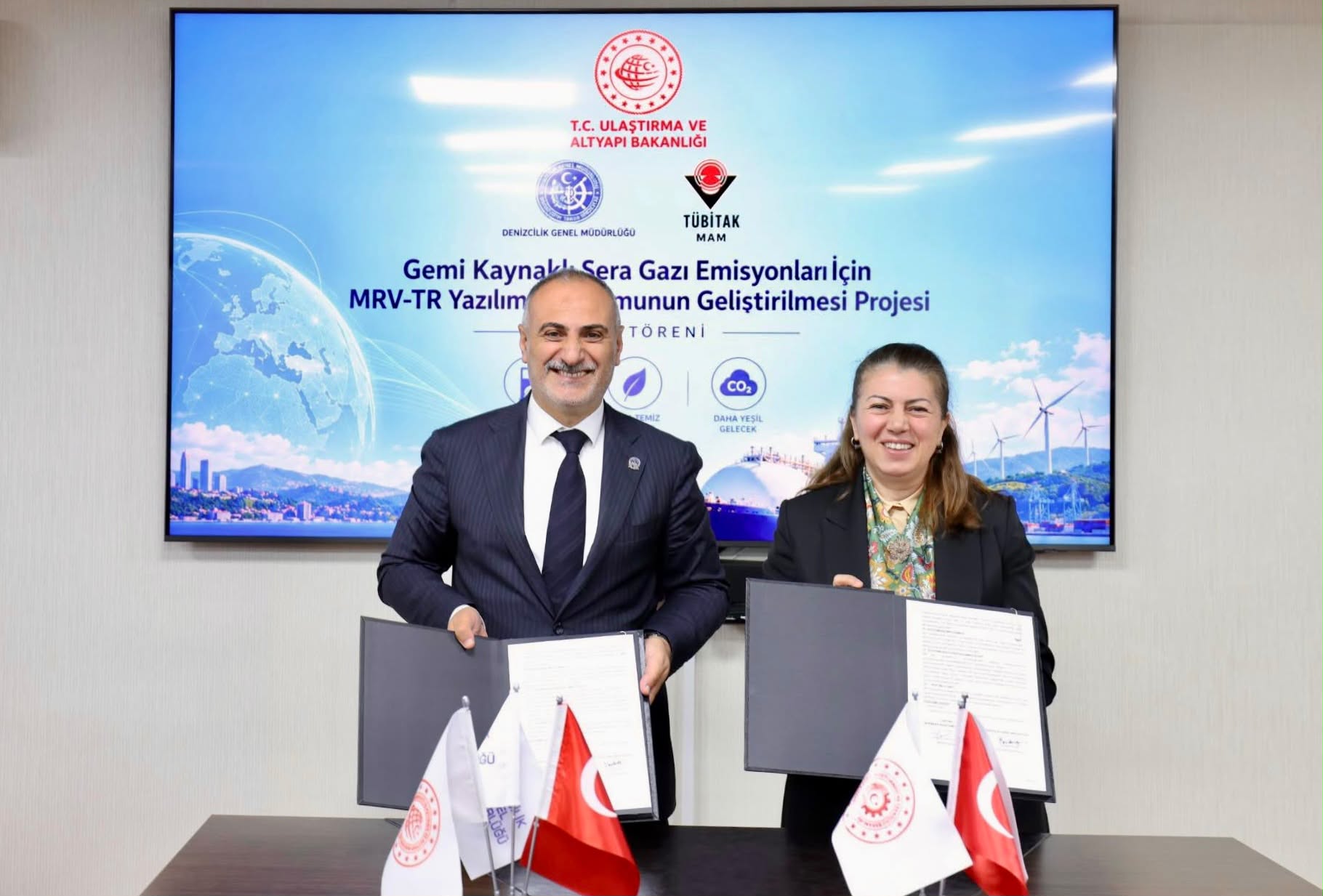
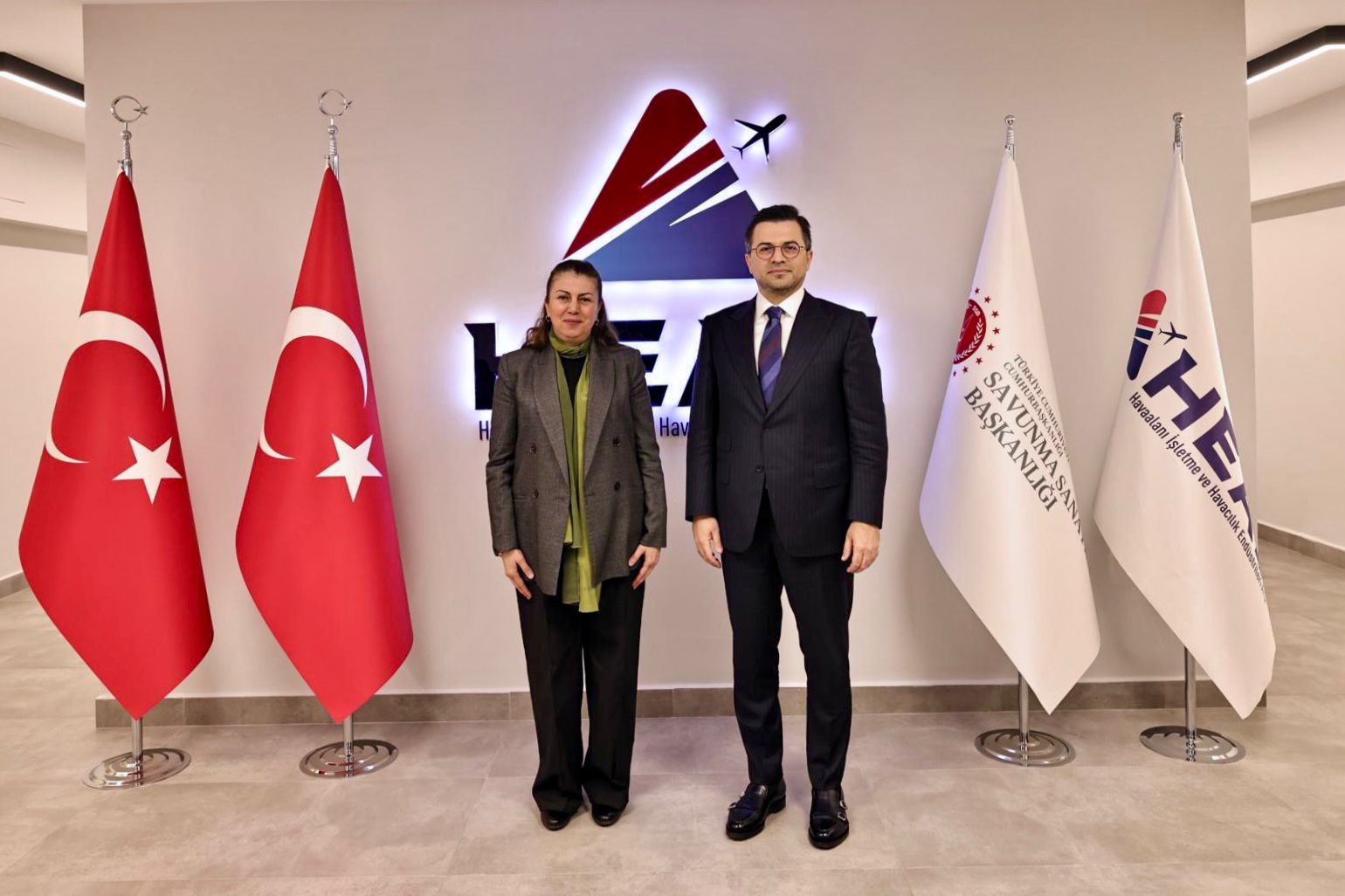
A new cooperation process was initiated between Airport Operation and Aviation Industries Inc. (HEAŞ) and TÜBİTAK Marmara Research Center (TUBITAK Marmara Research Center) in order to indigenize civil aviation infrastructure. In a ceremony hosted by HEAŞ A.Ş., HEAŞ A.Ş. General Manager Faruk Kacır and TÜBİTAK MAM President Prof. Dr. Burcu Özsoy signed the ”Istanbul Sabiha Gökçen International Airport Noise Monitoring System (SAGİS) Development Project Cooperation Protocol”.
A First in the Aviation Ecosystem
Designed with an artificial intelligence-supported and “learning” architecture for the first time in Türkiye, SAGİS will not only be a noise measurement system, but also the first noise management system developed by TÜBİTAK in Türkiye. This system, which stands out in its class with its technical infrastructure, brings a breath of fresh air to the aviation ecosystem.
Artificial Intelligence-Backed Indigenous Engineering Power
The system, which will be trained with special models prepared by Turkish engineers, will have the capability to distinguish aircraft engine frequencies from other environmental noise sources with high precision. Thanks to this technological infrastructure, the compliance of flights with noise reduction procedures such as NADP1, NADP2 and Continuous Descent Approach will be monitored instantly. Through GIS (Geographical Information System) based visual interfaces, noise values around the airport will be monitored transparently on the map.
Developed in cooperation with TÜBİTAK MAM and HEAŞ A.Ş., the project aims to contribute to the realization of pioneering practices by significantly reducing foreign dependency in aviation, while providing added value to the national economy by preventing high import costs.