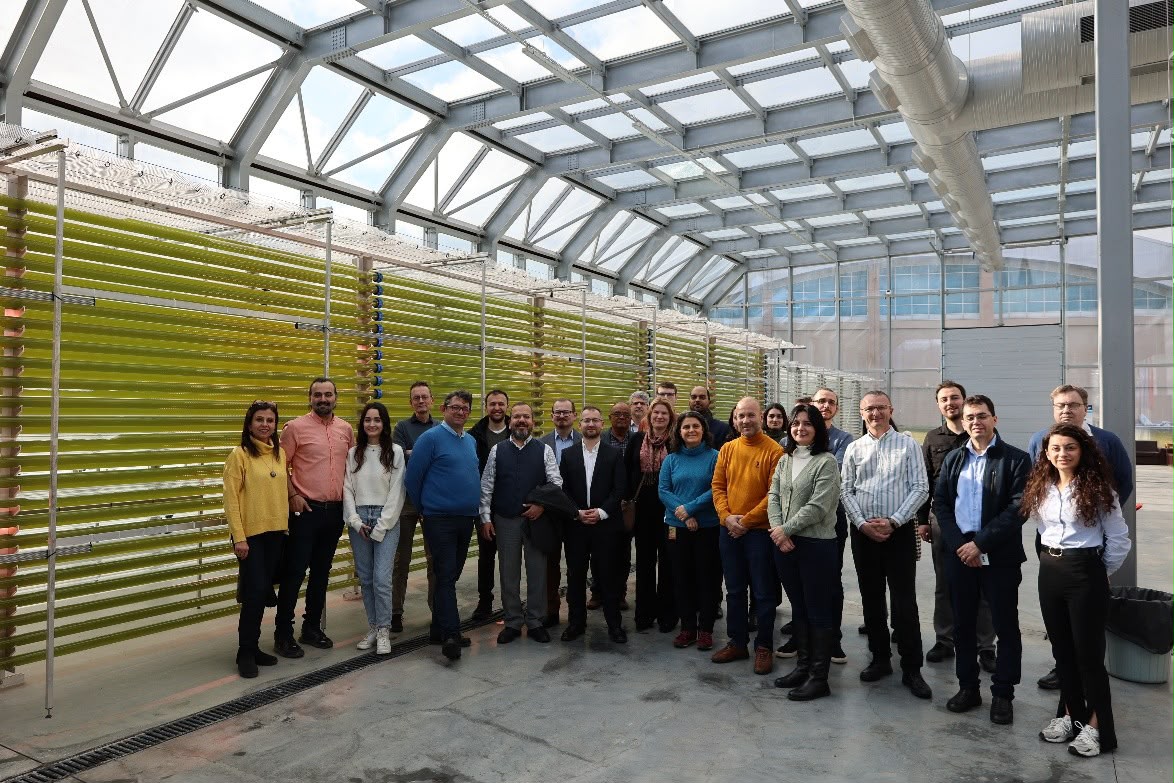
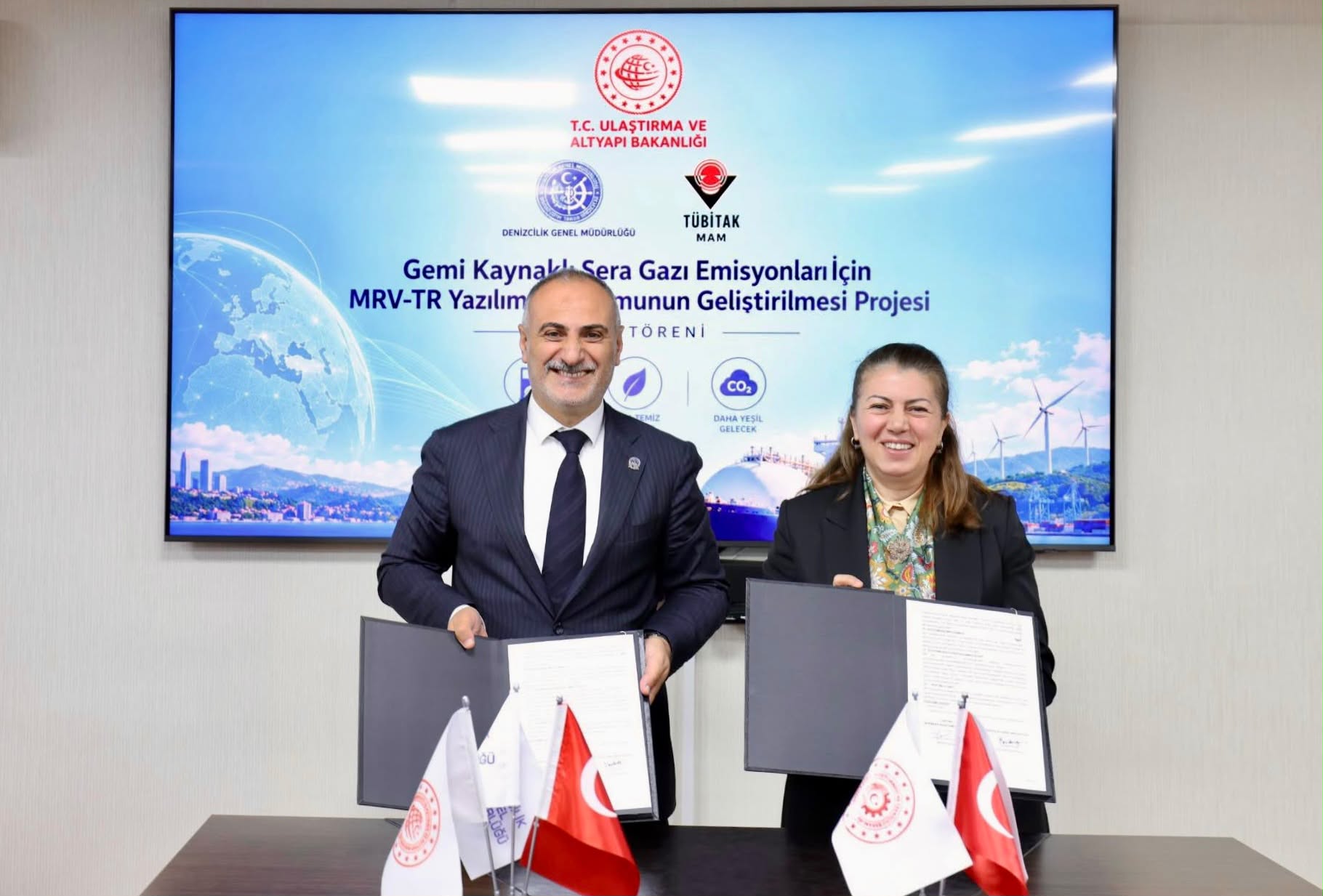
The scientific delegation that embarked on the 2nd National Arctic Scientific Research Expedition organized under the auspices of the Presidency, under the auspices of the Ministry of Industry and Technology and under the coordination of the TÜBİTAK MAM Polar Research Institute returned to Turkey after a 22-day journey. The scientific results to be obtained from the researches in TASE II will enable us to reach important findings within the scope of green transformation, especially Climate Change, and will make a great contribution to the international scientific competence of our country in polar sciences.
Scientific research for 14 different projects
The expedition participants completed their scientific research for 14 different projects such as zooplankton, phytoplankton sampling, determination of pollutants in the sea, monitoring of seawater physical parameters, atmospheric pollution observations on topics such as microplastics, meteorological observations, the effects of ship trade routes on the environment, observation of ice and monitoring of marine mammals at 24 different sampling points in the Barents Sea on the route they turned 40 degrees north from Turkey.
The 9-member science team sailed in the Barents Sea in the Arctic Ocean with the 42-meter research vessel PolarXplorer on their voyage on July 4. The scientists were supported in their work by the ship's crew of 6, including Norwegian Captain Harry Johannessen, 3rd Captain Henrik Haveland and Filipino crew members.
The team completed the expedition by crossing the Barentz Sea and taking samples after ascending as high as 82 degrees north in Svalbard. All scientists conducted their projects on board the PolarXplorer Research vessel.
Data and sea samples will be used to obtain results in the laboratory. Scientists will share the knowledge they gain from these studies with the world through scientific articles and reports.
Both air and sea water temperatures were low
The expedition was made in a region where the effects of the Barentz Sea, the Atlantic and the Arctic Ocean converge. During the expedition, the crew was exposed to some negative effects such as dead waves and storms, and the temperature drop was the most challenging. The sea water temperature also varied a lot. Starting at 10 degrees Celsius, the sea water temperature reached minus 1.2 degrees Celsius and thus it was possible to work in icy waters.
One of the peculiarities of working in the Arctic Ocean is that it is always sunny, day and night, because the Arctic Circle is inside the Arctic Circle, which makes it possible to work 24 hours a day. However, this disrupted the biological rhythm and was one of the factors that challenged the team.
Scientists observe mammals with shifts
One of the important projects realized is the observation of marine mammals...In this context, a different method was followed. On the bridge of the ship, all scientists took shifts for 4 hours each and observed the mammals.
During their 4,000-kilometer voyage, the Turkish scientists observed the sea ice starting at 82 degrees north latitude, the glaciers in the Svalbard archipelago and the humpback whales, Minke whales, white whales, dolphins, seals, walruses, polar bears and dozens of bird species in the Barents Sea.
There are 20 research facilities belonging to 13 countries on Spitsbergen Island to conduct scientific studies on the North Pole and the Arctic Ocean. During the expedition, the Turkish science team also visited the Polish Polar Research Station on Spitsbergen Island in Svalbard.