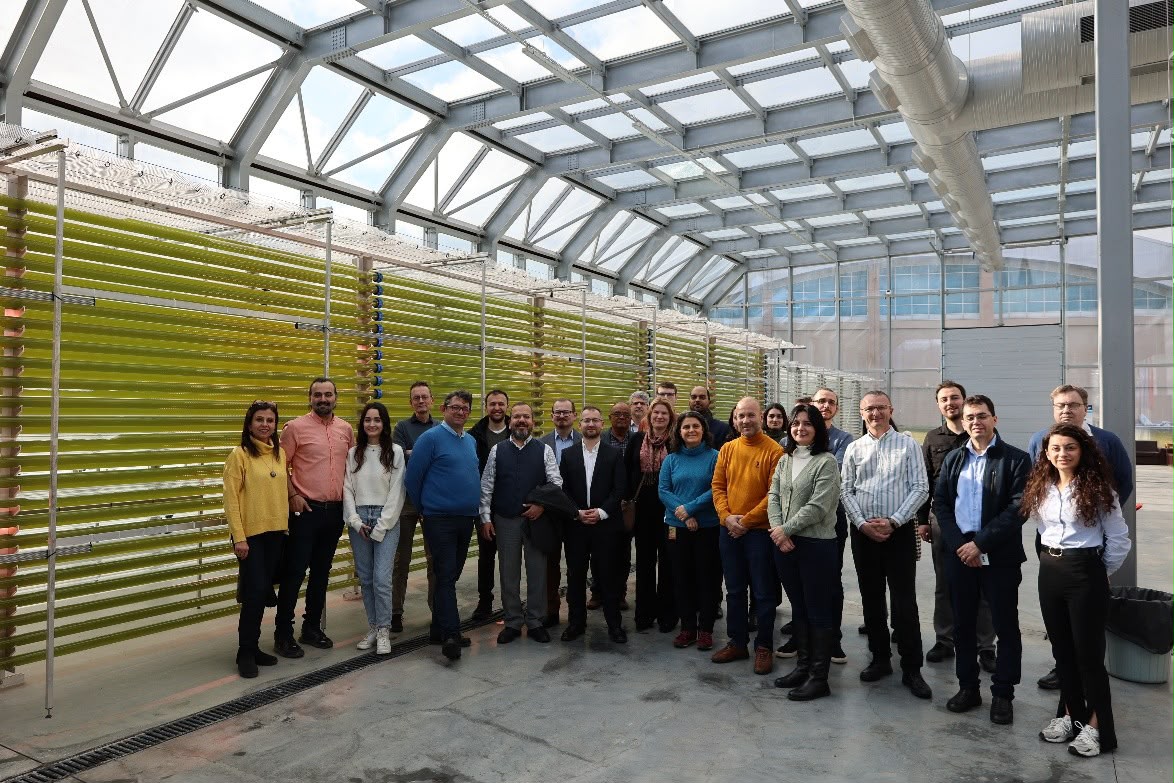
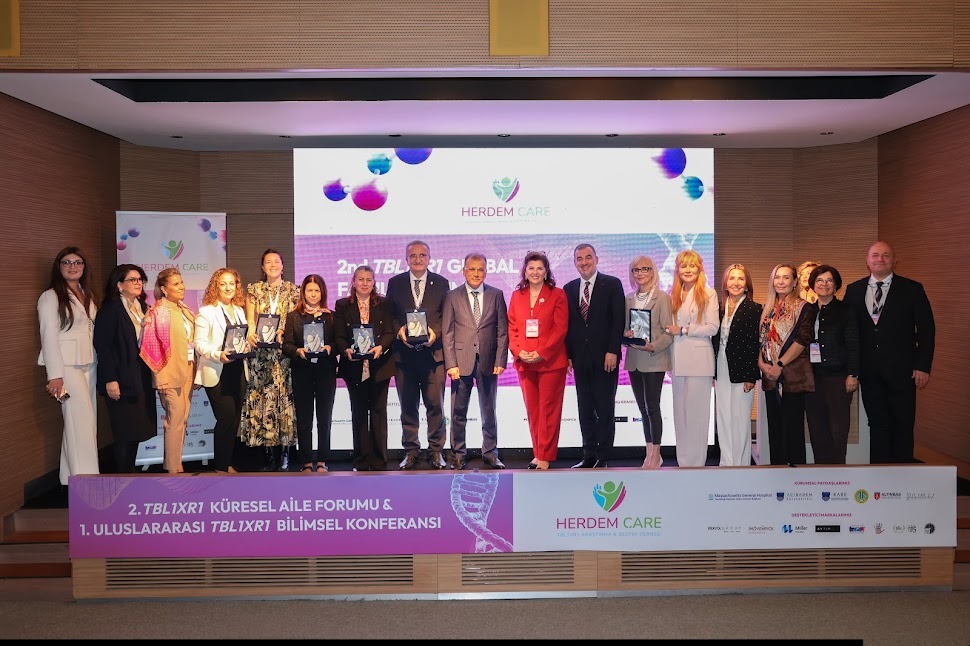
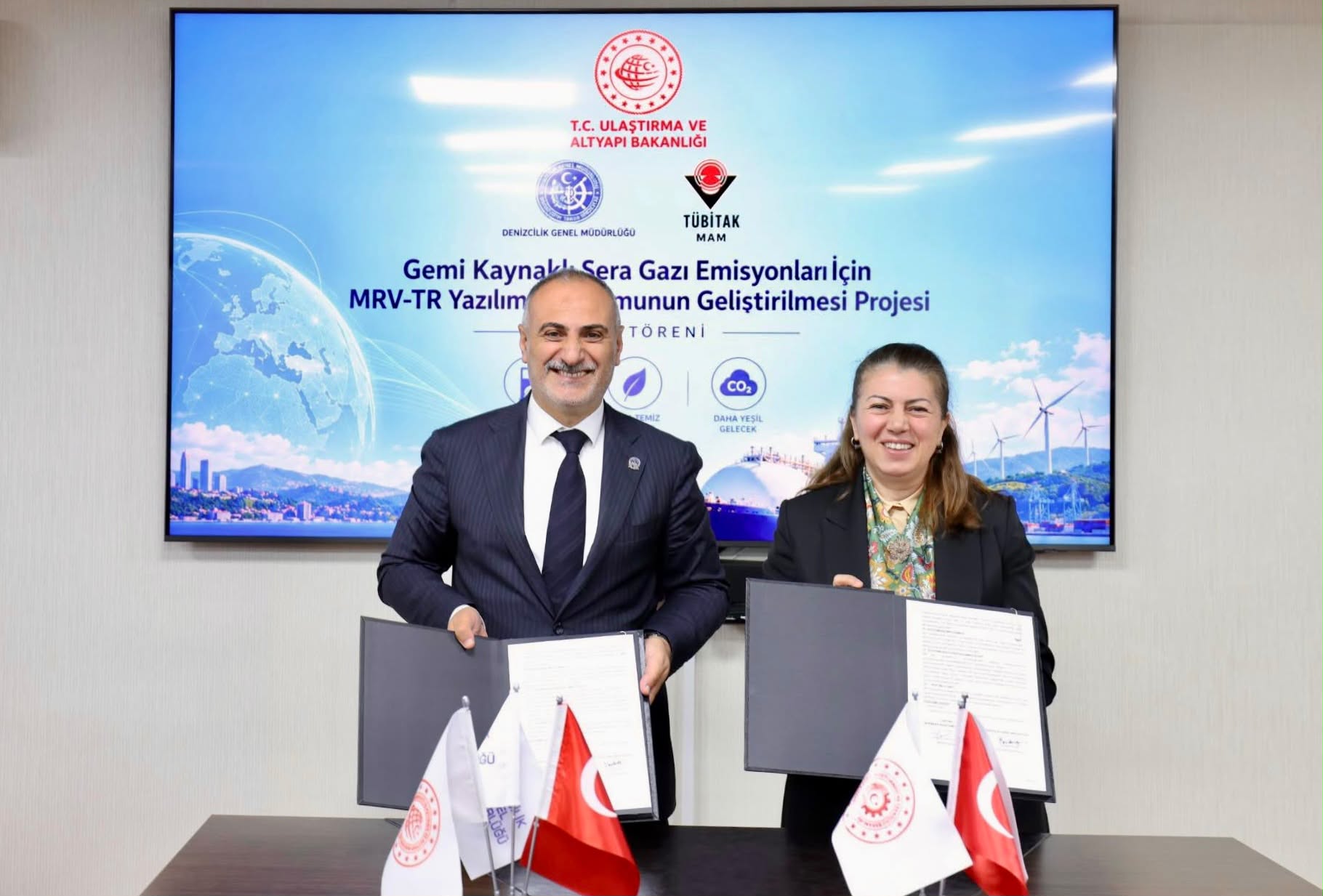
Marine Accidents - Hazardous Waste Management, Restoration of Polluted Areas and Wildlife Rehabilitation Workshop was held in Gebze on May 7 - 9, 2014.
The workshop was organized within the scope of "Preparation of Waste Management Plans for Wastes Generated as a Result of Ship Accidents and Rehabilitation of Polluted Areas Project" with 40 participants in total, including the project team from the Ministry of Environment and Urbanization - Marine and Coastal Management Department, expert personnel from the Ministry of Environment and Urbanization - Coastal Provincial Directorates and Undersecretariat of Maritime Affairs. Leading international research centers; 1 expert (Tim Thomas) from SeaAlarm on the effects of oil pollution on wildlife and rehabilitation, 2 experts (Florence Poncet and Esterine Evrard) from CEDRE on waste management, restoration and environmental damage assessment made presentations at the workshop.
Within the scope of the 3-day workshop, the following topics were evaluated;
- Preparation of methodologies and waste management plans that should be applied for the minimization, recovery and optimal disposal of wastes that may be generated during the response and cleanup of oil and other hazardous substance pollution that may occur following ship or coastal facility accidents,
- Methodologies for wildlife rehabilitation and restoration of contaminated areas and their application in marine casualties around the world,
- Environmental damage assessment and net environmental benefit analysis methodologies and case studies,
- Necessary procedures and international legal processes for compensation of damages, compensation funds.
In this project, which we realized with the support and cooperation of the Ministry of Environment and Urbanization, General Directorate of Environmental Management, Department of Marine and Coastal Management;
- Establishing the most appropriate "Waste Management Model" to be applied from generation to disposal of wastes generated after a ship or coastal facility accident and during the response to marine pollution,
- As a result of marine pollution caused by oil and other harmful substances, conducting research to determine the methods of restoration of pollution-affected areas and rehabilitation of wildlife, preparing necessary plans and guidelines, determining the needs of the country by conducting infrastructure studies on restoration and rehabilitation, preparing legislation if necessary, putting forward methods for monitoring the results of cleaning, restoration and rehabilitation programs,
- The purpose of environmental damage assessment is to determine the damage to all natural resources, including living beings affected by the incident
- Identification of net environmental benefit analysis methodologies
is targeted.