As is known, microorganisms are directly utilized in the production of various dairy products such as yogurt, cheese, butter and beverages such as sausage, boza and mustard. Bread fermentation and alcoholic beverages are also produced by microorganisms. In addition to these, microorganisms are directly beneficial in the production of foods such as sausage, pickles, olives, etc. In a general definition, microorganisms used in food production are called "starter cultures". With a simple definition, starter culture can be expressed as "microorganisms used in the food industry to obtain standard quality products under controlled conditions". While its function in some foods is to develop acid, in some foods it is essential to develop aroma.
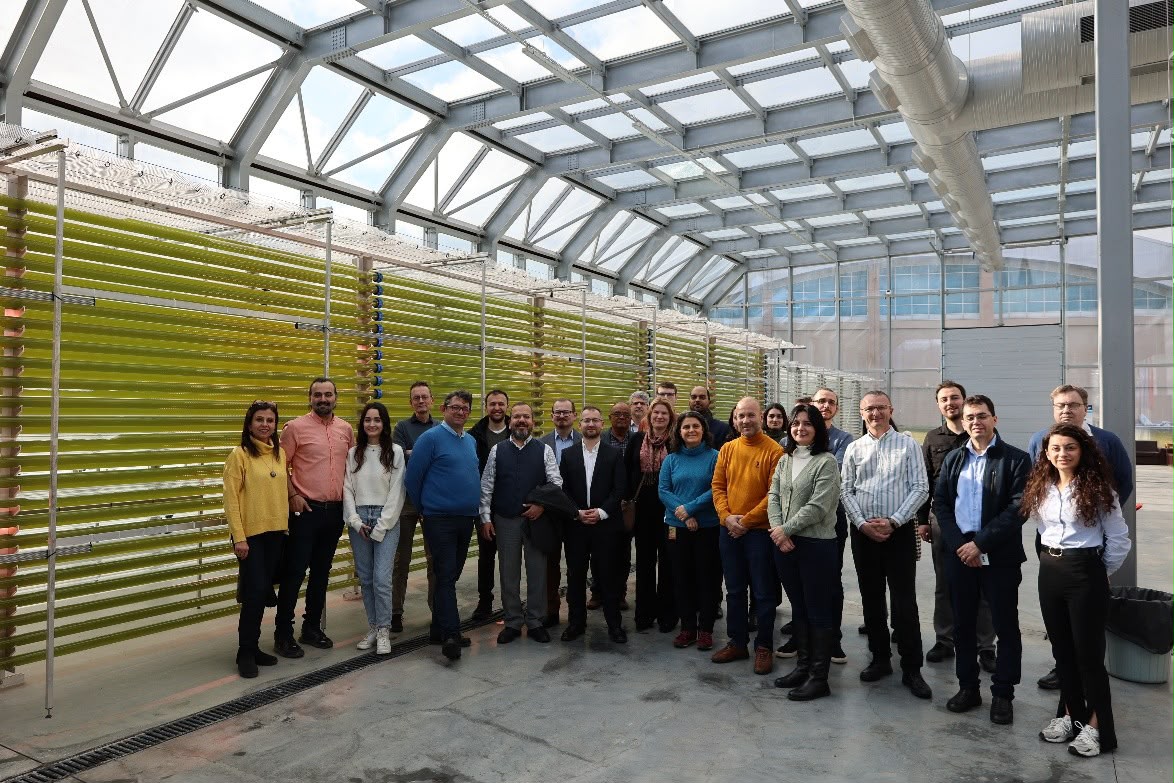
A workshop on "Starter Culture", which is important in reducing our country's foreign dependence in this field, was hosted by TÜBİTAK MAM with the participation of expert academicians from both the institutes of the Ministry of Food, Agriculture and Livestock and universities. Within the scope of the workshop, first of all, the scope of the possible project was opened for discussion and groups were formed. In the first session, the subject was discussed in detail and teams were formed; the working groups determined revealed the outlines of the work to be carried out within the general project fiction and the basic budget requirements. The workshop was chaired by Prof. Dr. Osman SAĞDIÇ, Director of the Institute of Food, with the participation of some managers from the Ministry of Food, Agriculture and Livestock, General Directorate of Agricultural Research and Policies (TAGEM), academicians working on related subjects from Abant İzzet Baysal, Ankara, Atatürk, Bayburt, Erciyes, Pamukkale, Yıldız Technical University and Izmir Institute of Technology, and some researchers from the Institute of Genetic Engineering and Biotechnology. Following the workshop, the Food Institute laboratories and pilot plant were visited.