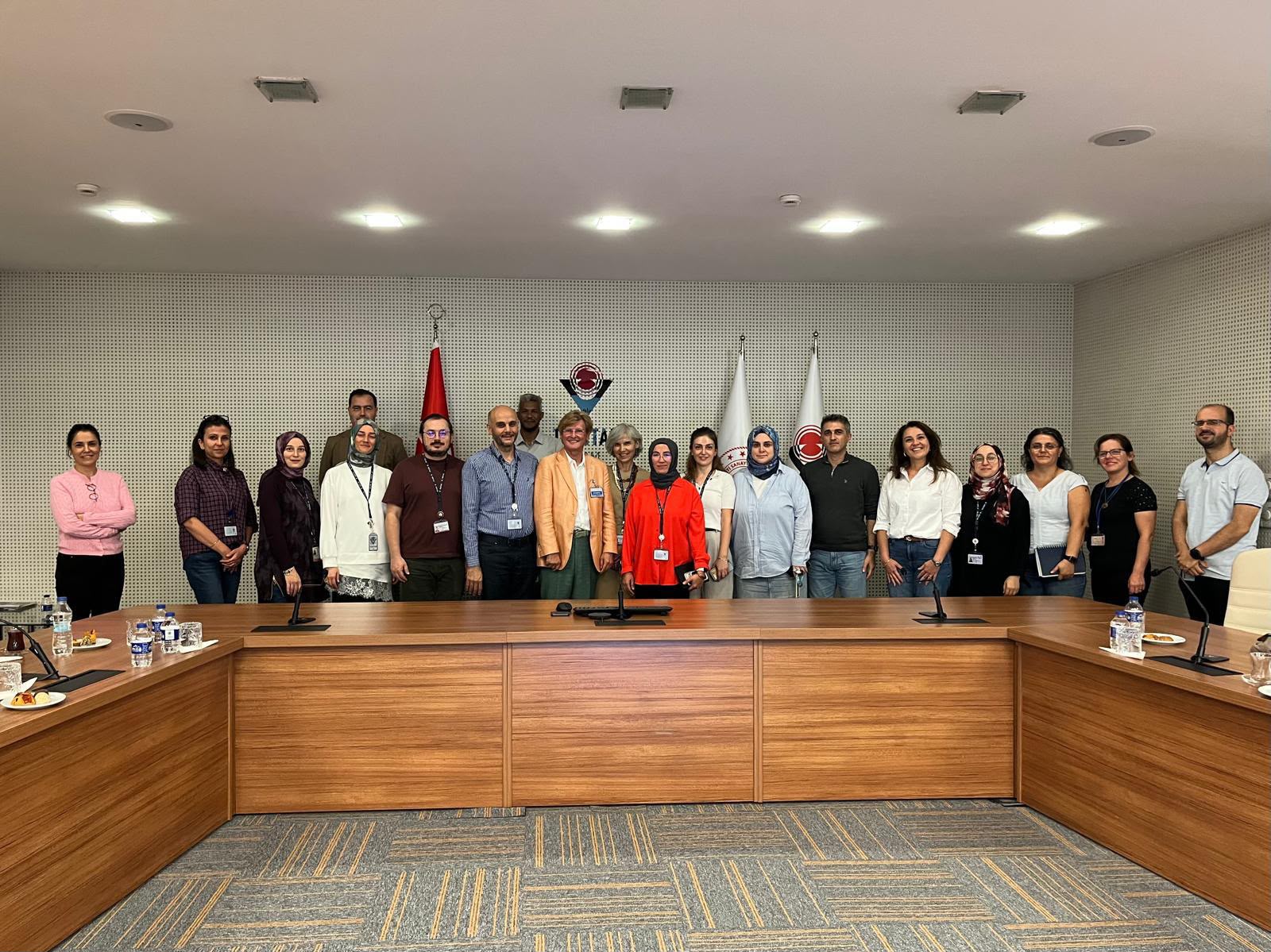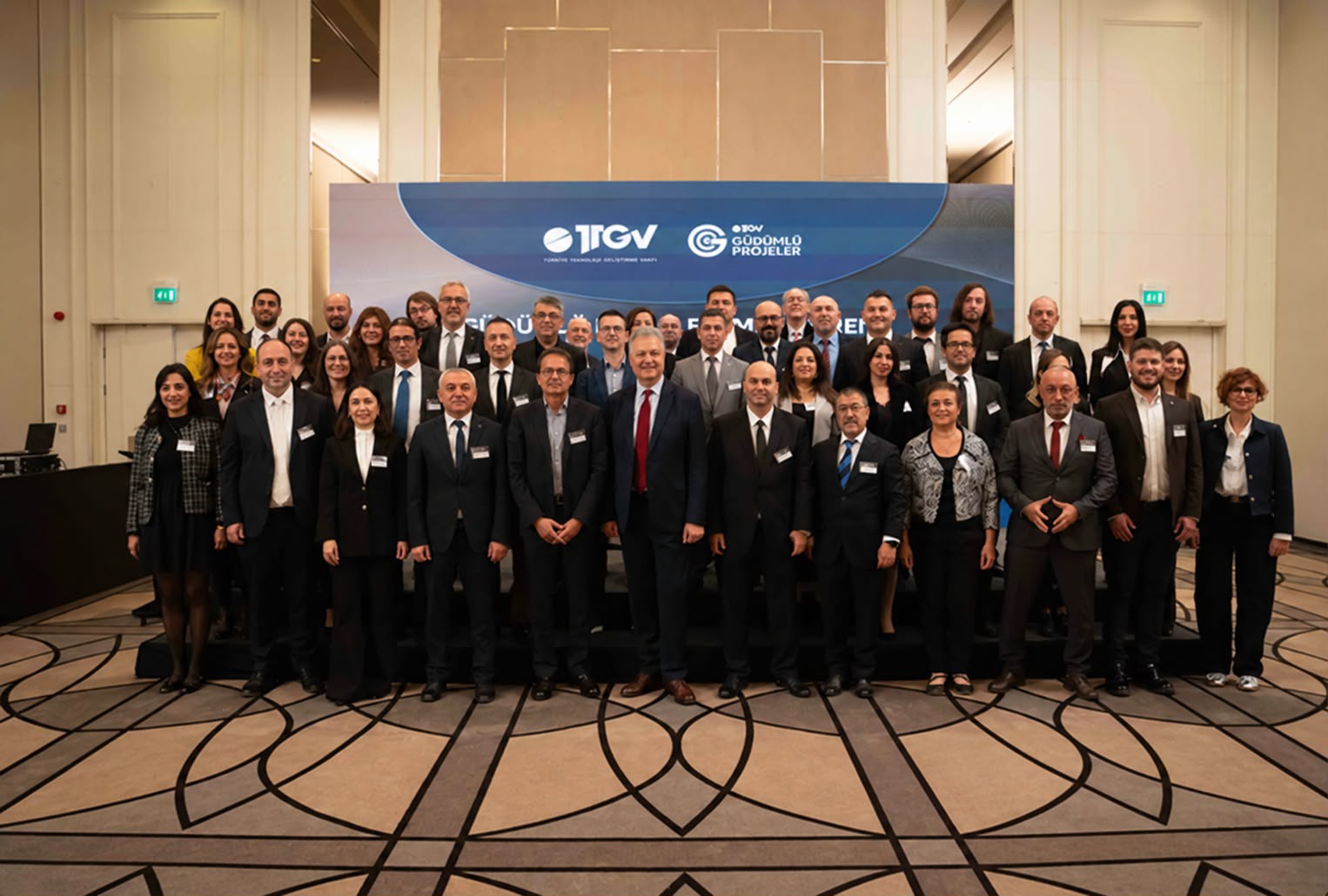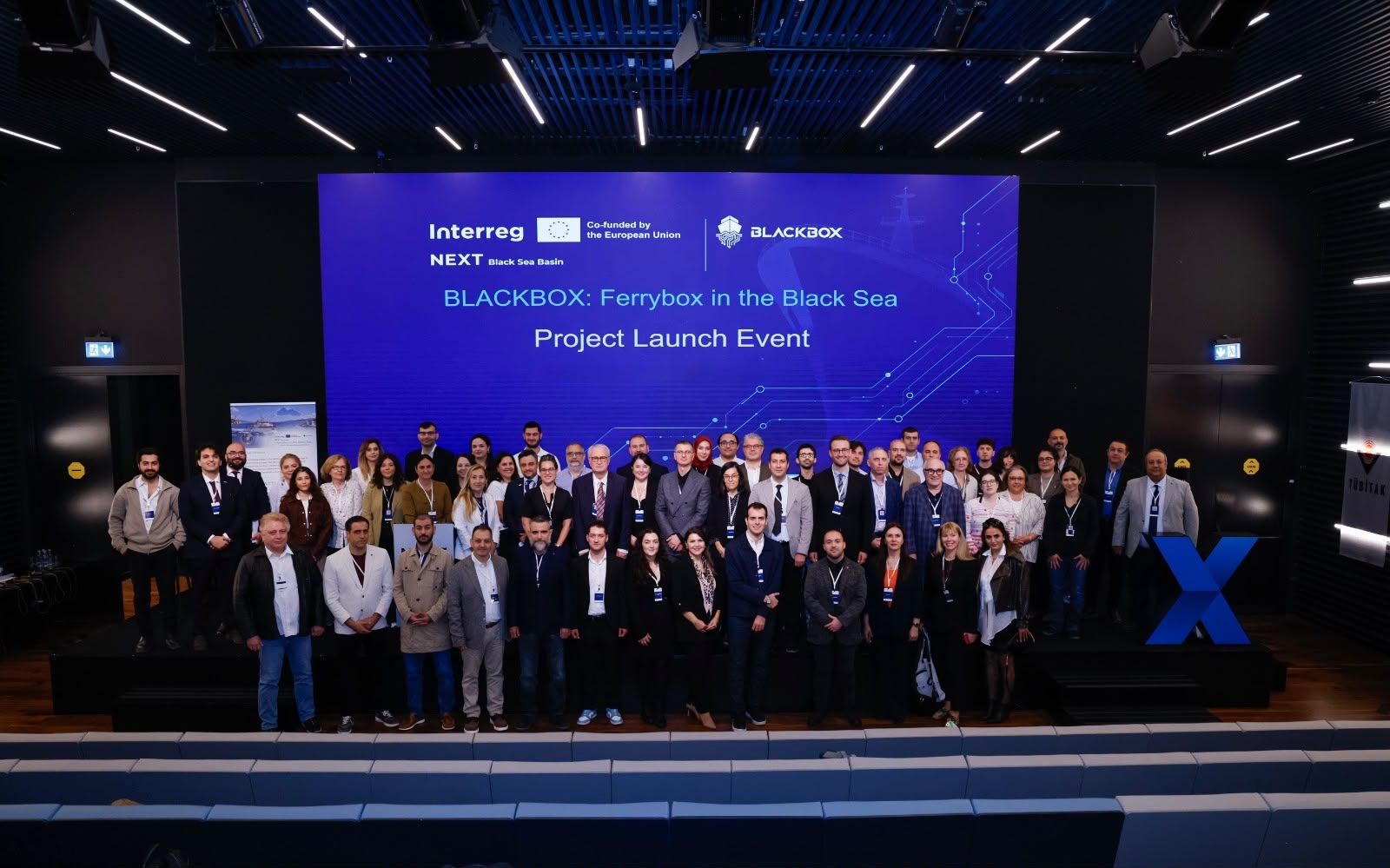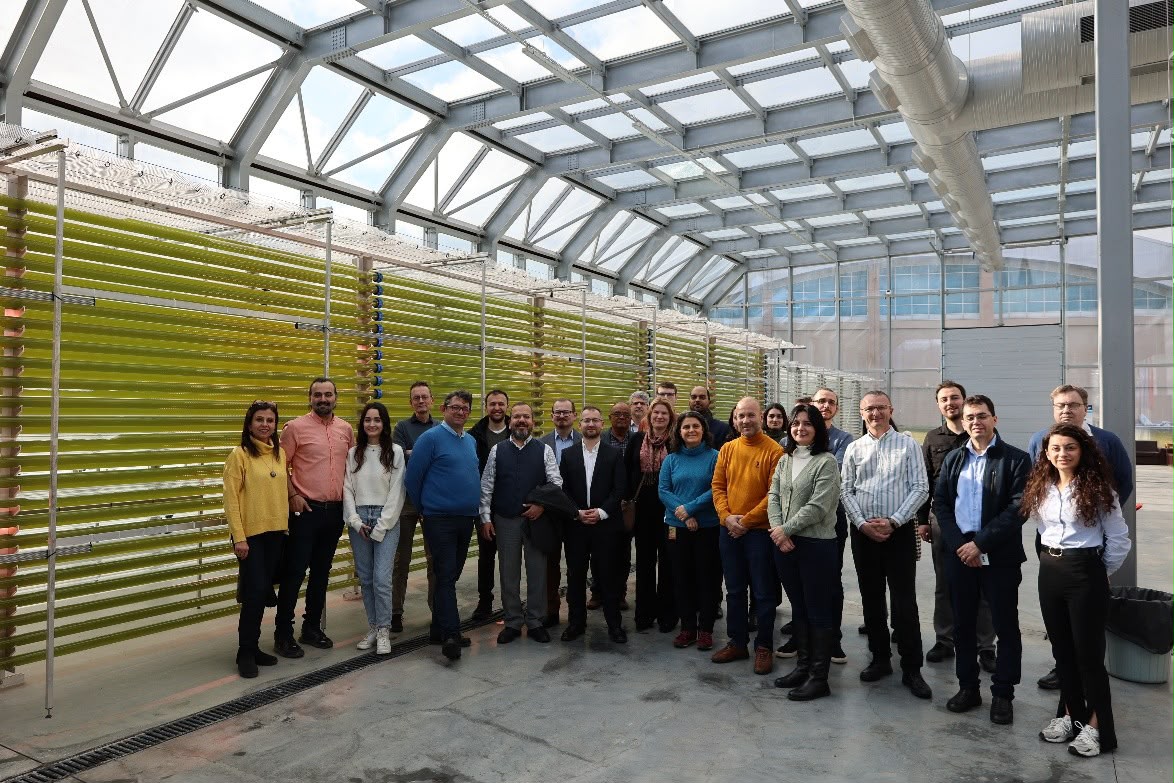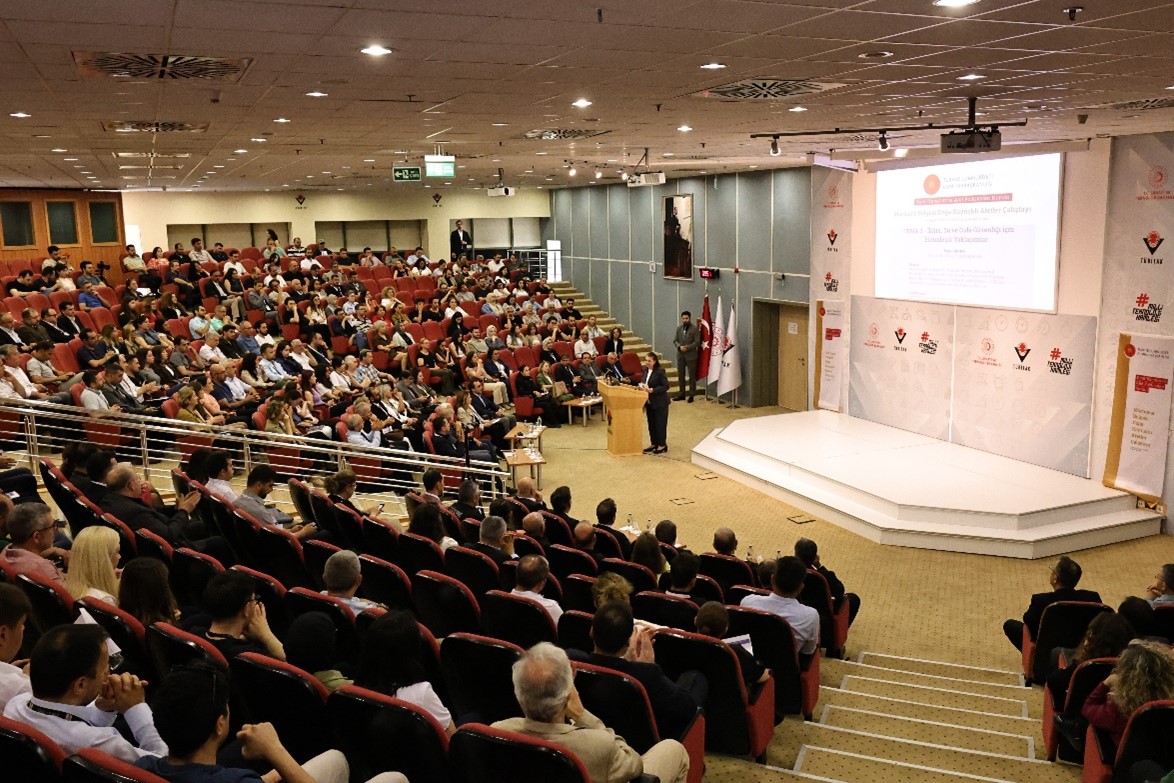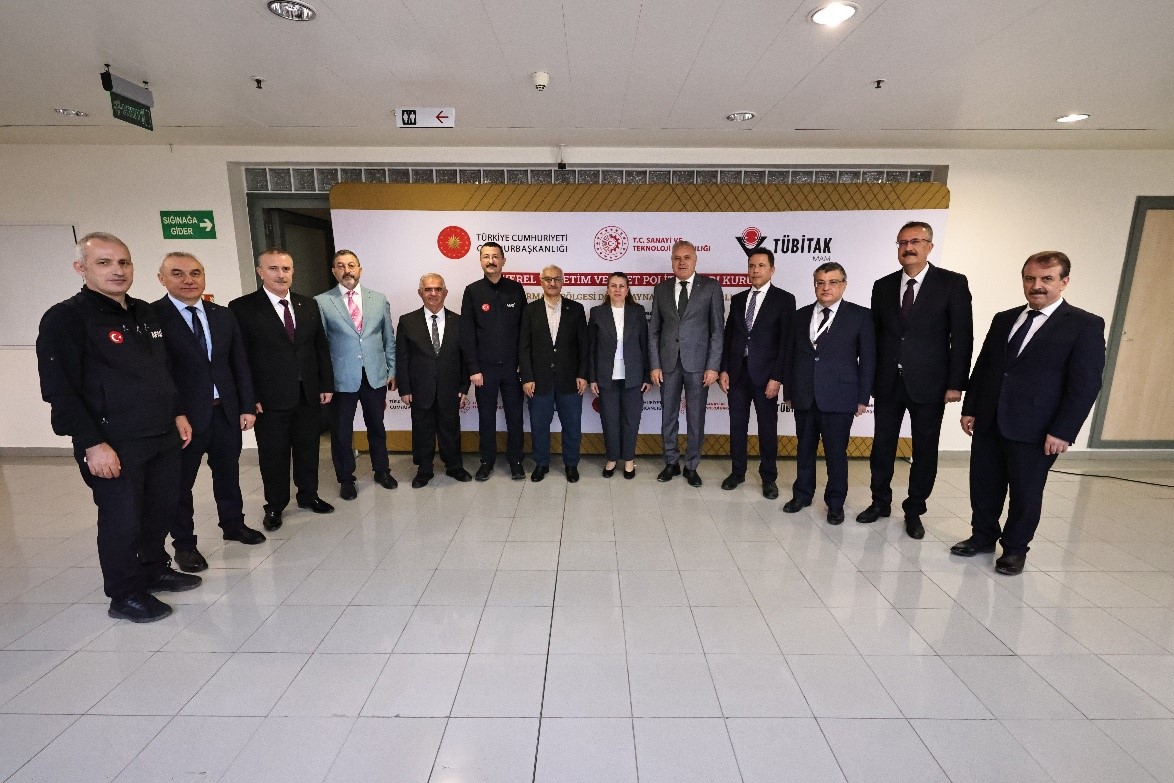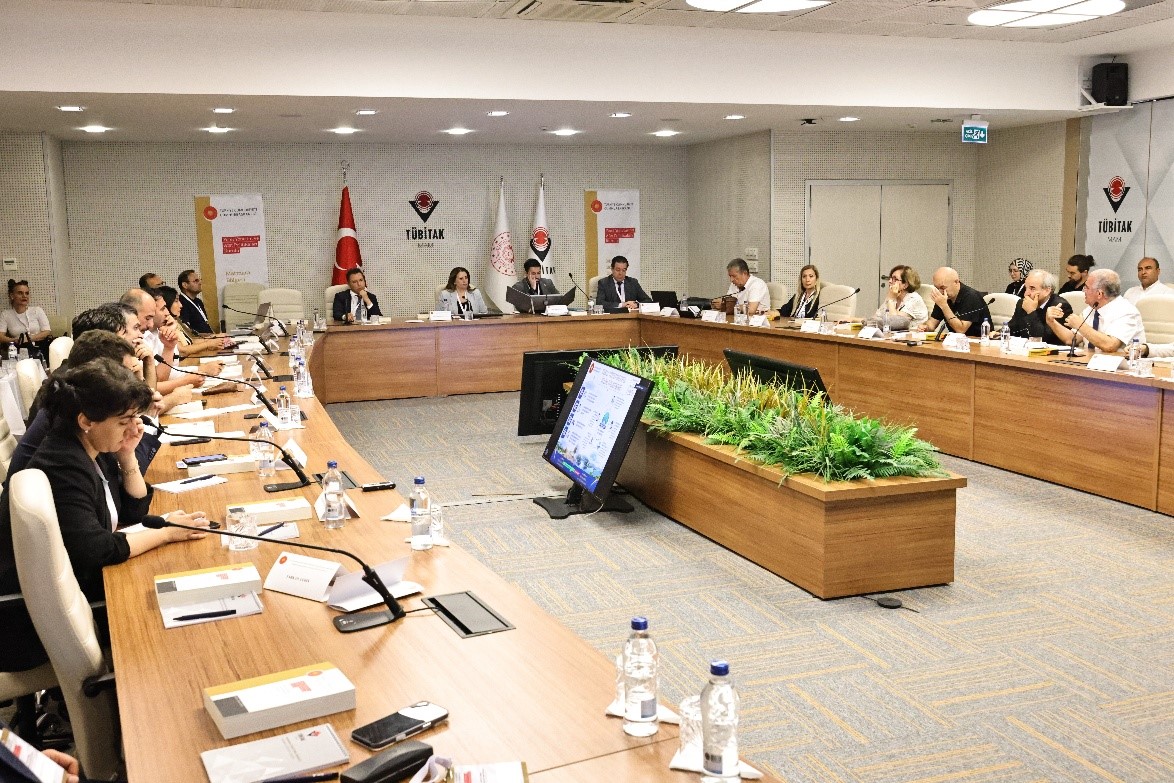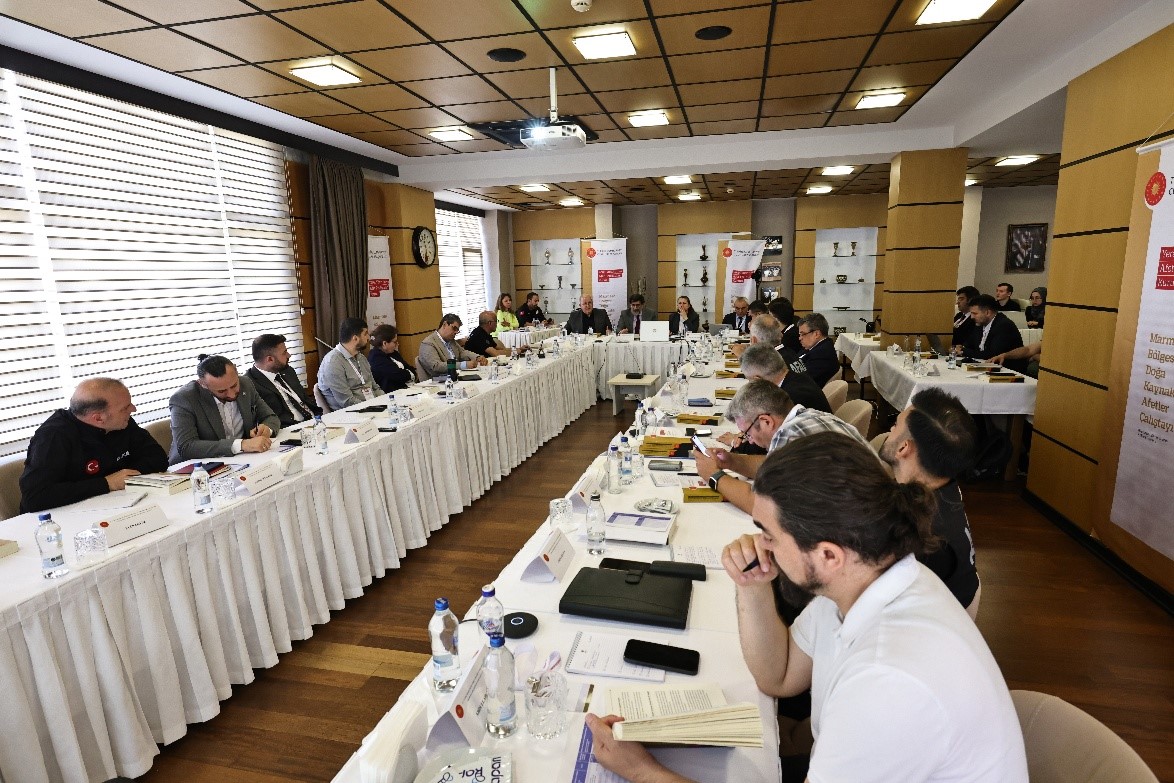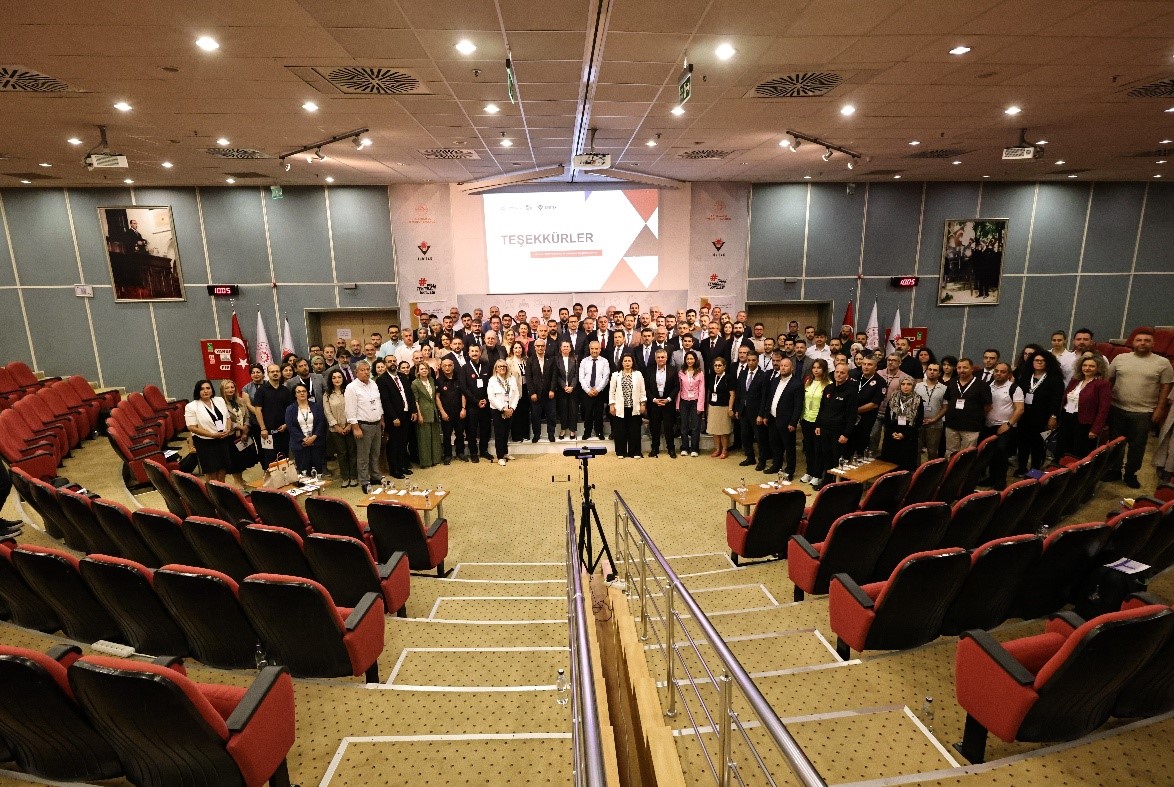
As part of the series of Marmara Region Natural Disaster Workshops organized under the coordination of the Presidency of the Republic of Turkey’s Council on Local Administration and Disaster Policies, the 4th workshop, themed “Integrated Approaches for Climate, Water, and Food Security,” was hosted by the TÜBİTAK Marmara Research Center (MAM).
The workshop’s opening ceremony began with a moment of silence and the playing of the National Anthem, followed by speeches by Prof. Dr. Burcu Özsoy and Dr. Şadan Kaptanoğlu, members of the Presidency of the Republic of Turkey’s Council on Local Administration and Disaster Policies.
The workshop, which addressed climate change, sustainable water resource management, food security, ecological resilience, and industrial risks, brought together more than 150 representatives from the public sector, academia, the private sector, and civil society organizations. As part of the program, priorities, risk areas, and proposed solutions for enhancing the Marmara Region’s resilience to disasters were comprehensively evaluated.
At the workshop moderated by TÜBİTAK MAM President Prof. Dr. Burcu Özsoy and Dr. Şadan Kaptanoğlu, views and recommendations regarding disaster risk reduction, strengthening interagency coordination, and strategies applicable at the regional level were discussed under four main headings. In the sessions titled “The NATECH Effect and Industrial Resilience” and “Shortages and Food Security-Security,” the impacts of natural disasters on industrial facilities, the resilience of critical infrastructure, and issues related to food supply security were discussed. Meanwhile, in the sessions “Drought and Regional Water Management” and “Climate Crisis Integration and Ecological Resilience,” the impacts of climate change on water resources and ecosystems, as well as adaptation and resilience policies, were evaluated.
During the session on “Drought and Regional Water Management,” the risk of drought facing water resources in the region—particularly in the Meriç-Ergene and Susurluk basins—was assessed. Key topics included maintaining a balance between agricultural production, urban use, and ecosystem needs; developing alternative water sources; reusing treated wastewater; and adopting watershed-based management approaches.
The session on “The NATECH Effect and Industrial Resilience” addressed the technological and environmental risks that natural disasters can pose to industrial facilities. While evaluating recommendations for enhancing the resilience of chemical storage facilities, organized industrial zones, refineries, and strategic ports against disasters, early warning systems, digital monitoring infrastructure, and emergency management mechanisms were also discussed.
During the session on “Integration of the Climate Crisis and Ecological Resilience,” the focus was on integrating climate change-related disaster risks into local planning and disaster management processes. Assessments were conducted regarding urban heat islands, flash floods and flooding, coastal erosion, sea-level rise, wetland conservation, and ecosystem-based adaptation approaches.
During the session on “Famine and Food Security,” topics such as the protection of agricultural land, strengthening food supply security, strategic food and seed reserves, and the sustainability of the supply chain under disaster conditions were discussed. In addition, recommendations were shared regarding the resilience of cold-chain infrastructure, the continuity of rural production, and mechanisms for interagency coordination.
In the assessments conducted throughout the workshop, it was emphasized that climate change, water management, and food security are directly interrelated. The views and recommendations presented as part of the program are intended to help make the Marmara Region more resilient to disasters and to contribute to the relevant policy-making processes.